
I spent some time with Malawian teenage sensation Mwisho Mhango during the recently-ended FIFA international break, and somewhere between small talk and reflection, one name lit up his face instantly – Siyabonga Mabena.
The 18-year-old didn’t hesitate. “That boy…” You could almost hear the memory before the words came out. How could he forget?
Back in 2022, at the COSAFA Under-17 Championship in Lilongwe, Mabena was unplayable. Nine goals in five matches. A hat-trick in the semi-final against Mhango’s Malawi in a ruthless 5-1 demolition that booked South Africa’s place in the final.
He walked away with both the Golden Boot and Player of the Tournament awards, even though South Africa fell short against Zambia in the final.
In that moment, Mabena wasn’t just ahead of his peers. He looked untouchable. Mhango remembers that version vividly. But football doesn’t wait for yesterday’s brilliance. Fast forward four years, and the script has flipped in ways few would have predicted. Mhango, once on the receiving end of
Mhango’s brilliance is now carving his own path in Europe, plying his trade at Hannover 96 alongside Ime Okon. He’s had trial stints in Austria with SK Sturm Graz and even in Iceland with Breidablik. And when you spend time with him, you realise it’s not just about football anymore.
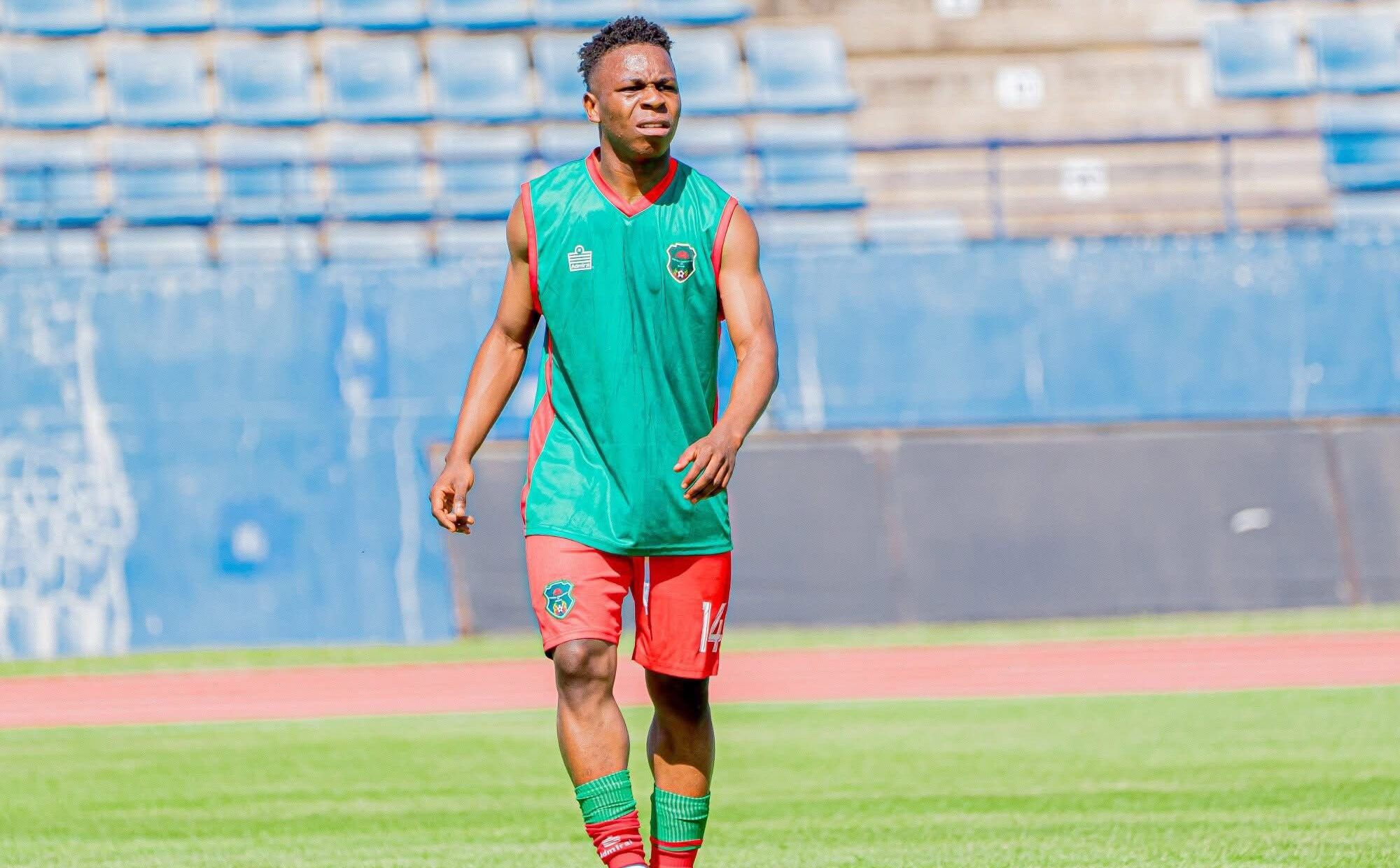
At just 18, he’s learning German twice a week and adjusting to the cold. The boy plucked from the Ascent Academy is navigating airports, figuring out where to sleep between flights, and making adult decisions on the fly. These are the unseen layers of development – the kind that shape careers, not just highlight reels. That’s growth. That’s evolution. Meanwhile, Mabena – the golden boy of 2022 – is still waiting.
OPPORTUNITIES ARE SCARCE FOR SIYABONGA MABENA
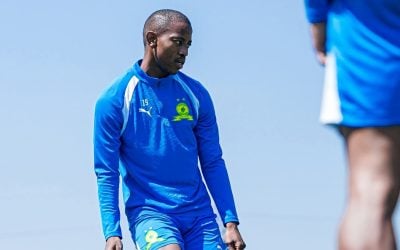
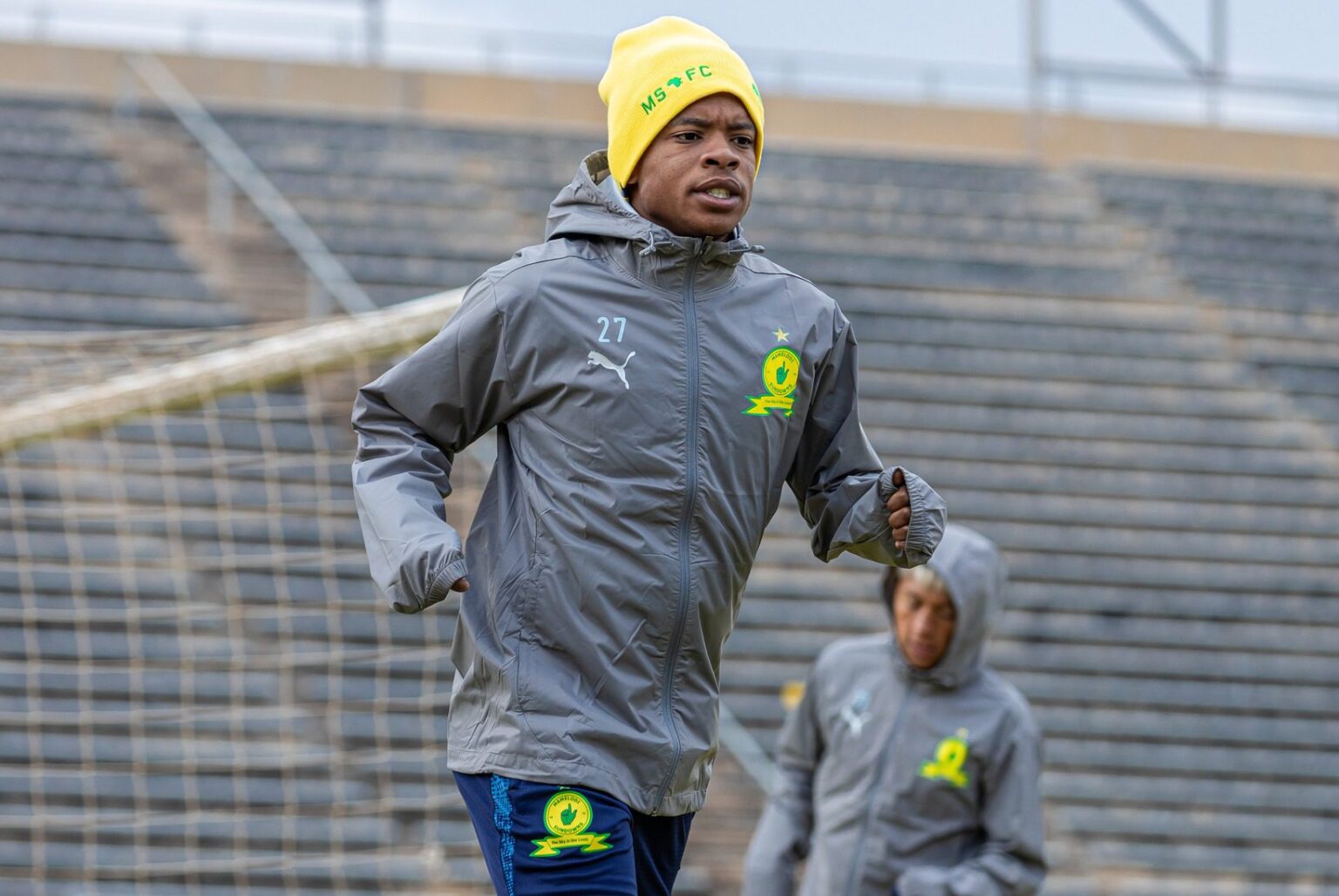
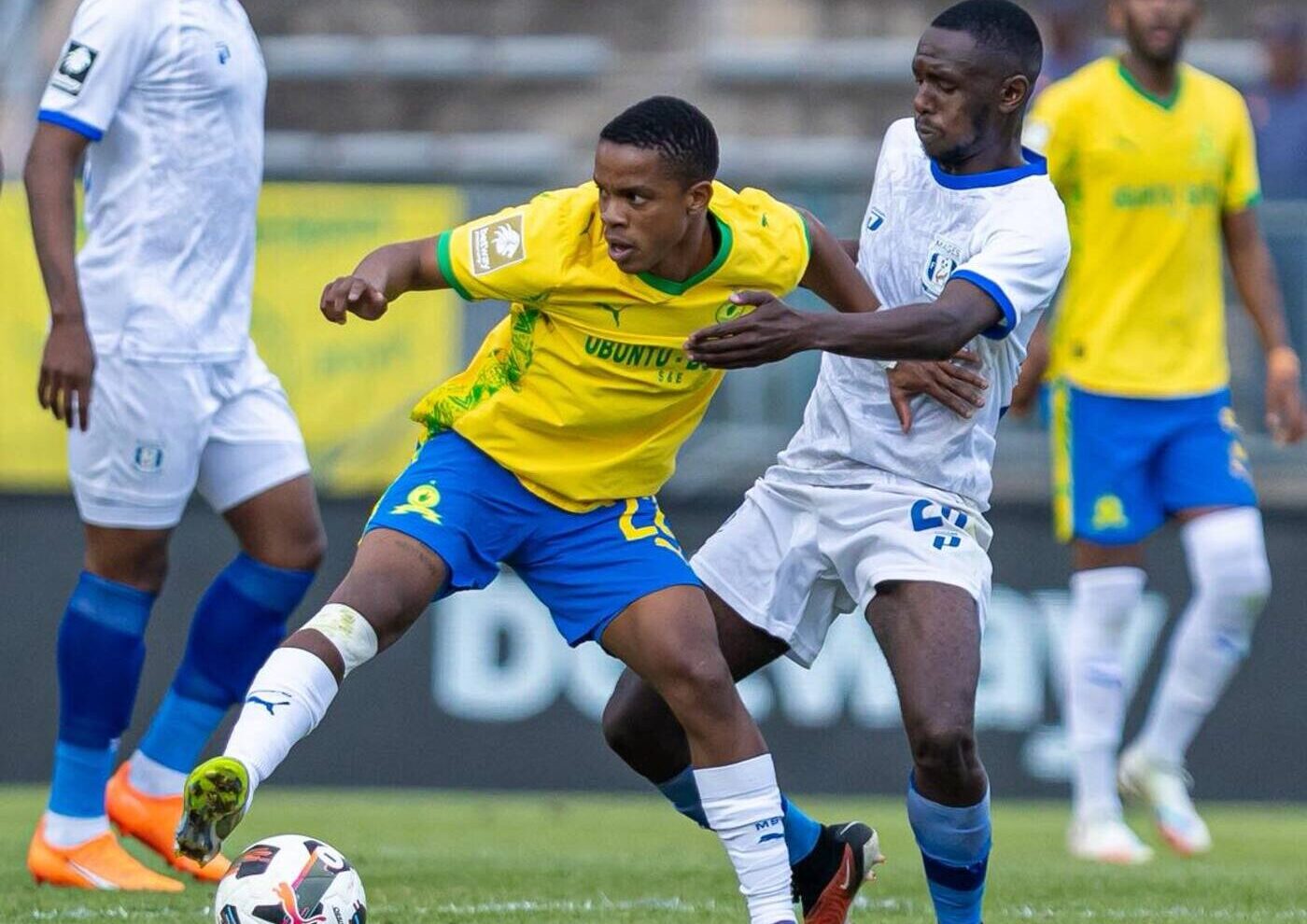
At Mamelodi Sundowns, one of the most dominant clubs on the continent, opportunity is a scarce commodity. This season, first-team minutes have been hard to come by. For a player of his undeniable talent, the stagnation is deafening.
When discussing 19-year-old Mabena, we don’t focus on appearances; sadly, we talk about how many times he has been in the matchday squad. He has only been on the matchday 18 six times in the Betway Premiership. He has started one match in all competitions and made four substitute appearances.
And he’s not alone. Kutlwano Letlhaku is another painful example. Denied a move to Portugal, he has started just a handful of matches in months. A young career paused, not by lack of ability, but by circumstance, or perhaps, by system.
This is where the uncomfortable questions begin. What is the plan for these players? Because stockpiling talent without a clear pathway isn’t development – it’s delay.
With the influx of established stars and high-profile foreign imports, how realistic is it for these youngsters to break through? And if the pathway is blocked, why stand in the way of opportunity elsewhere?
BENNI MCCARTHY AND STEVEN PIENAAR DIDN’T JUST BECOME TOP PLAYERS
There are solutions and practical ones. Loan them out. Sell with a buy-back clause. Insert a sell-on fee. Let them breathe, let them play and let them grow. Because right now, the contrast is stark.
Mhango is evolving in Europe, tactically, mentally and culturally. In a few years, when conversations inevitably compare him to his age-mate Mabena, the gap may no longer be about talent, but exposure.
And exposure changes everything. We’ve seen this story before. Benni McCarthy and Steven Pienaar didn’t just become top players by staying comfortable; they left early, adapted, struggled, and ultimately thrived on bigger stages. That pathway shouldn’t be the exception. It should be the standard.
Because at the heart of it all, this isn’t just about football clubs or transfer policies. It’s about futures. And right now, too many of them feel like they’re on hold.
RELATED STORY: Andile Jali opens up on fallout with Rulani Mokwena at Sundowns