
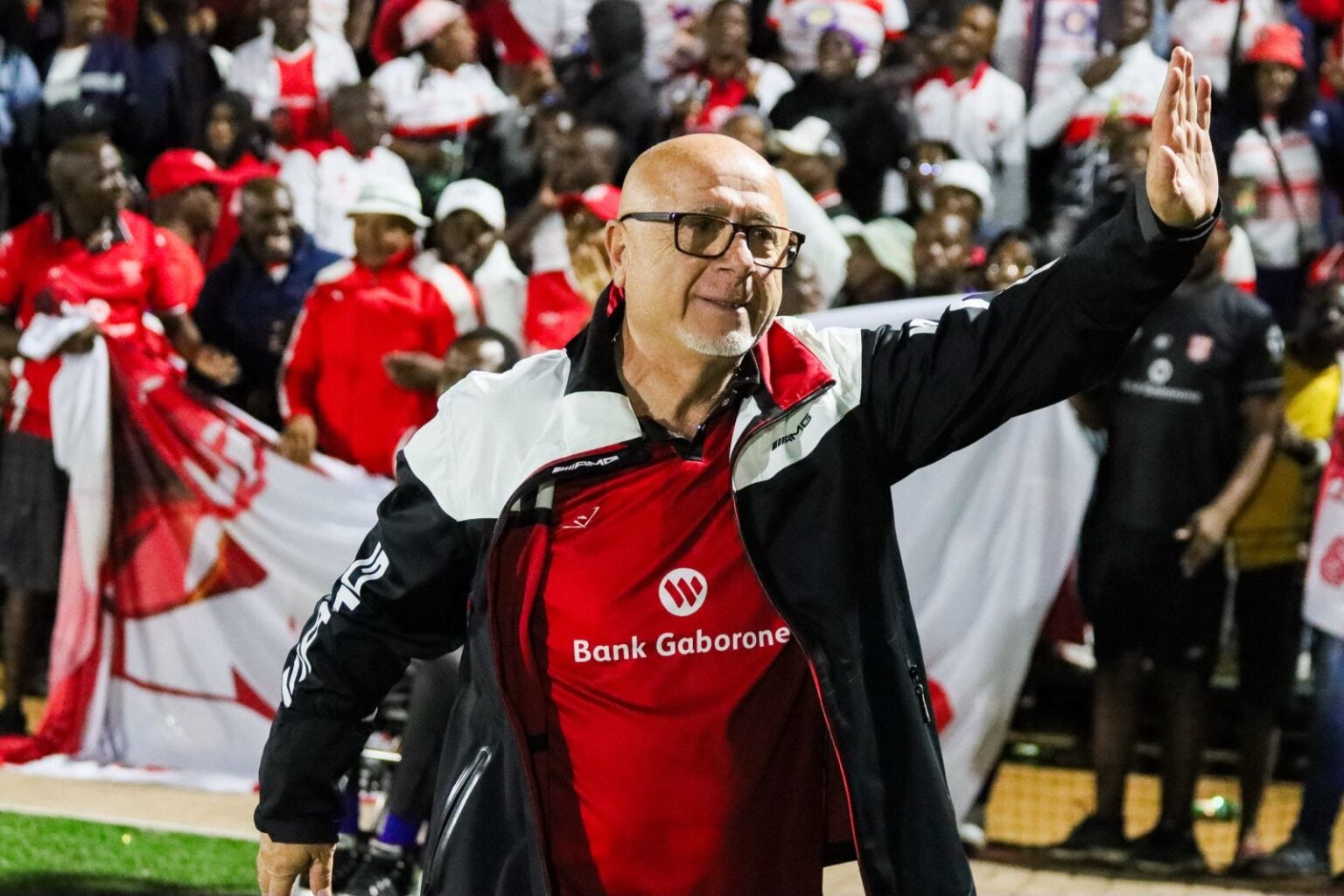
A modest engineer from the Middle East – Nicolas Zakhem – is proving that sometimes, the best things in life are born from what, on the surface, appears to be a series of unlikely coincidences.
If, for example, you had, in 2005, told fans of Botswana Premier League giants Gaborone United that a man from the Middle East would swoop in, rescue them from their troubles and set them on course for success over the next two decades, they would have looked at you like you were losing your mind.
If you had told them that same man, an engineer by trade who mostly treated football as a hobby, would go on to win them three league titles, four FA cups, and build them a stadium, they would have politely asked you to check yourself into the nearest mental health institution.
Their reaction would have been understandable. Things looked bleak for Moyagoleele in 2005. The once-feared “Money Machine” had fallen on lean times, weighed down by financial strain and flirting dangerously with relegation. It was at this moment that what seems like an entirely happy coincidence occurred, bringing together a Lebanese engineer, Zakhem, and a club on the southern tip of the African continent.
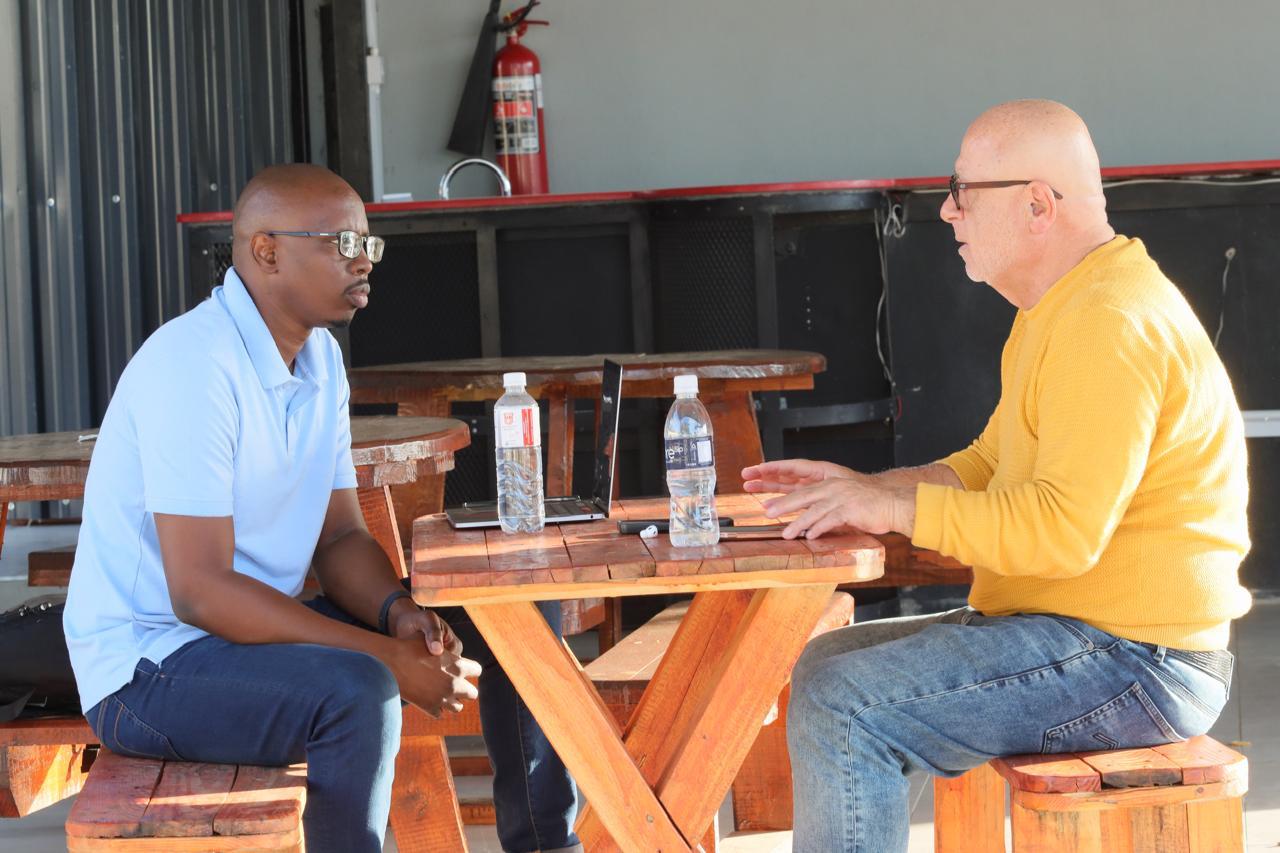
WHO APPROACHED NICOLAS ZAKHEM
“Back then, I was involved with the club as a team manager purely out of love for it,” GU manager Degree Dlamini tells FARPost. “We were going through a tough period, and things weren’t working on or off the pitch. I used to play social football with Zac, and I felt comfortable enough to approach him because I believed he could genuinely help us.”
The man, popularly known as Zac, also recalls that first “meeting” in late 2005. “They shared the rich history of Gaborone United, a club founded in 1967, which had won many trophies and was famously called the Money Machine. Unfortunately, the club was now playing in lower divisions and narrowly avoiding relegation, which concerned its fan base. They needed financial support to help the club survive,” adds Zac.
What made it easier for him was that a friend of his, who owned a chemical company and with whom he used to play social football, was involved with the club as a sponsor.
In many ways, his journey with The Reds mirrors the arc of the club itself: uncertain beginnings, moments of doubt, periods of rebuilding, and ultimately, a return to prominence forged through persistence and belief.
On the face of it, it seems improbable that a Lebanese-born engineer would somehow find himself tasked with steering the ship of a sinking behemoth in landlocked Botswana. In fact, Zakhem, who had been on an African odyssey since the 1980s, had not initially expected to stay long in the country when he first arrived in the 1990s.
Born in Deddeh, north of Lebanon, he moved to Africa in the late 1980s, settling in Kenya. He spent a few years in East Africa before relocating to Botswana in the 1990s, where he has lived ever since.
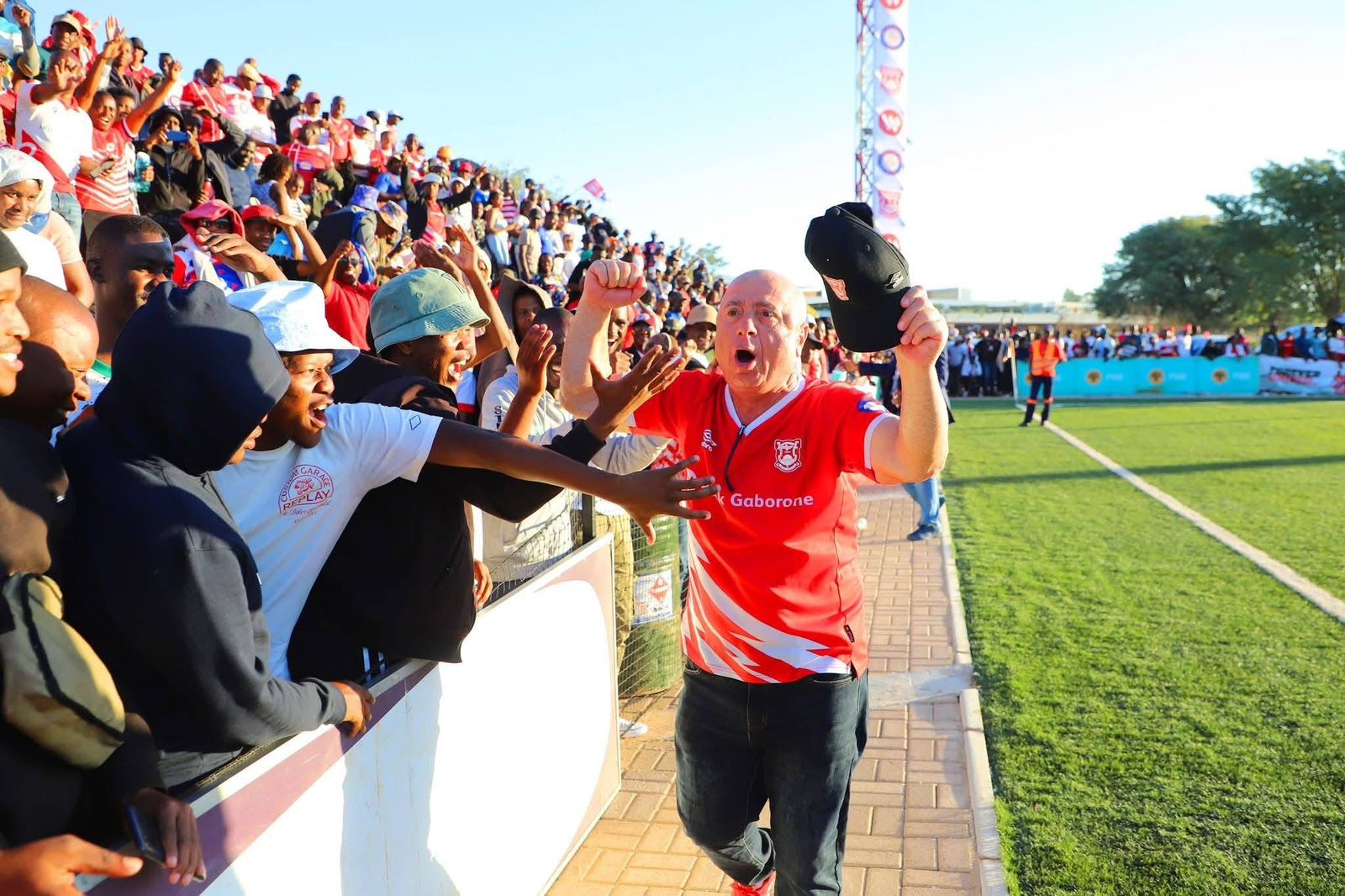
NICOLAS ZAKHEM’S INVOLVEMENT IN SPORT
In his younger days, he was active in sports, playing football and volleyball and competing in track and field. He especially excelled in middle-distance running, notably the 1500 meters, earning several medals.
Botswana, like football, was not something that he expected to play a central role in his life. “When I first arrived, I hardly knew the name; Botswana was then little known. I was only here for a short stay, contracted to work with a family company up in Kenya. Soon, I needed to come here temporarily to fill in for someone else for three months. I was given the option: if I liked the place, I could extend my stay; if not, I could return to Kenya. I stayed for three months, but it became six, and eventually, the company approached me, saying they wanted me to stay longer, to oversee Botswana, possibly even as the area manager.”
Armed with a BSc in Construction Engineering from the Lawrence Institute of Technology and an MSc in Civil Engineering from Wayne State University in Detroit, Zakhem built a formidable business portfolio across construction, hospitality and property development. Yet it was football, first as a spectator, then as a benefactor, that would pull him deeper into Botswana’s sporting fabric.
“I lived in Mochudi and enjoyed watching Mochudi Centre Chiefs, who were quite popular at the time. When I moved to Gaborone in 1993 or 1994, I watched matches occasionally, but it wasn’t a regular habit like it is now,” he adds.
Once he started helping GU, his involvement was not limited to soccer, as he also sponsored Mafolofolo, one of Botswana’s top and most well-known volleyball teams.
GABORONE UNITED STRUGGLED TO PAY SALARIES
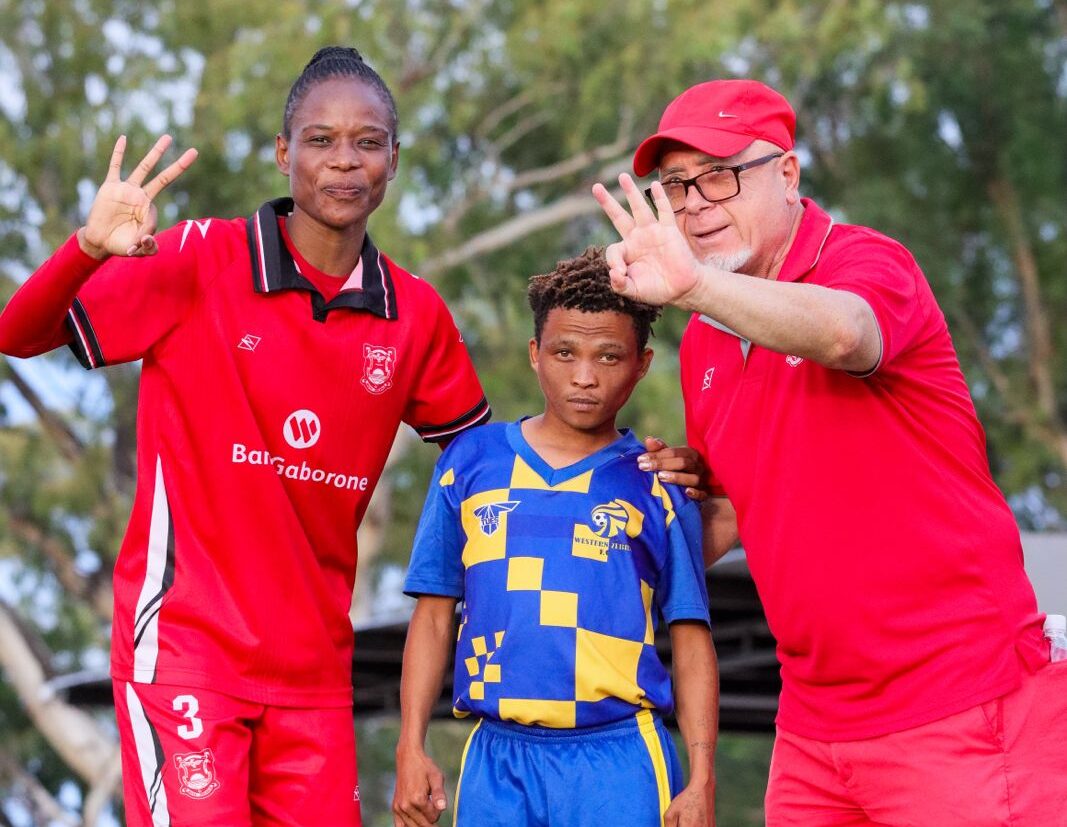
Dlamini, who previously played for the club, recalls how the team often wrestled with salary delays and hurdles in reaching their matches. “At the time, we couldn’t even pay players’ salaries, which obviously affected morale and performance. There were moments when we struggled to get the team to training or even to matches. It was that difficult,” Dlamini says.
In the beginning, Zakhem kept a healthy distance from the day-to-day running of the club, content mostly to manage its purse, helping to cover expenses and wages as Gaborone United sought to regain its place at the top table of Botswana football.
Encouragingly, when he began his involvement, the team was 14th, facing relegation. “By the end of the season, they finished fourth, an incredible improvement. With adequate resources, the club’s progress was remarkable. In the following year, they moved into second or third place, and they remained in the top 4 or 5 until the 2008/09 season, when they clinched the league title on the final day by defeating Centre Chiefs.”
Two years later, they invited him to take a more hands-on role with the team. But he was tied up with his construction business and decided that the club’s executive should handle daily operations.
“I still maintained my support by contributing financially, helping with funding, accommodations, transportation, and other essentials.”
In those early years, Zakhem had somewhat of a love-hate relationship with some of the club’s stakeholders. During the hardest of times, Zakhem even preferred to love United from a safe distance, as he grew wary of boardroom brawls in which the most vicious punches seemed to be aimed at his direction.
THE PRIVATISATION OF GABORONE UNITED
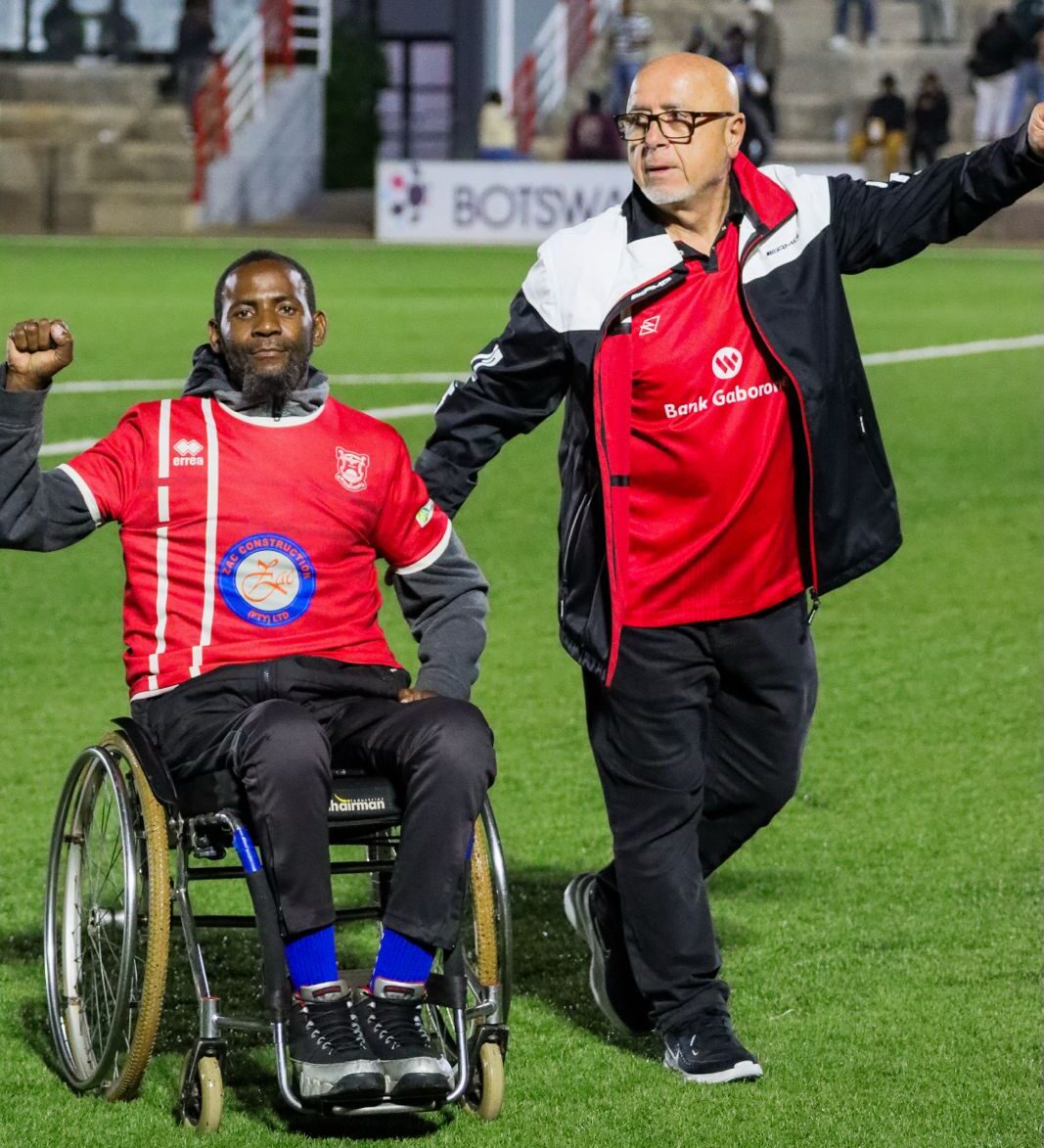
In 2011, a decision to privatise was made. Zac was present for the meeting where this resolution was unanimously adopted, authorising the commencement of the privatisation process.
Over time, tensions grew between him and the club’s executive committee. By 2016, he had withdrawn from active participation but continued to provide financial backing, covering expenses such as accommodation and transport.
Yet even when the ship entered calmer waters and trophies began to pile up, and the club rediscovered the swagger that had once earned it the moniker “Money Machine,” Zakhem’s vision still stretched far beyond silverware. For him, success was never just about what happened over 90 minutes on a Saturday afternoon, but about building something lasting, something rooted in structure and opportunity.
“I always say that no matter how small Botswana may seem, the people there love football just as much as those in England do. What really matters is access – access to good stadiums, quality grounds, reliable facilities, and training grounds that truly help players improve…. That’s what makes a real difference. It’s incredibly important,” he says.
That philosophy would come to define his stewardship of Gaborone United, shaping not only the team’s results on the pitch but also its identity off it.
“When I joined GU, it was for the love of football. It was to empower young players. Yes, you’ll go through frustrations along the way. If you want to give up easily, don’t go into the project.”
ZAKHEM REFUSED TO LET GO OF HIS DREAM
It is perhaps that sense of purpose that explains why, even when circumstances conspired against him, Zakhem refused to let go of his dream of building a home for the club. The journey towards that dream was anything but straightforward, marked by false starts, bureaucratic hurdles and the kind of setbacks that might have discouraged a lesser man.
“It has always been my dream to create more than just a football facility, a full sporting complex, which I started working on. I completed some feasibility studies and sketches, but a land-use technicality prevented me from moving forward. That land was on the outskirts of Mochudi. Still, I managed to buy a beautiful piece of land, about five times the size of the GU stadium, hoping to build a bigger stadium. Unfortunately, that plan also fell through. Then COVID-19 struck, severely impacting our finances.”
For a moment, it seemed as if the dream might remain just that, a dream. But where others might have seen a dead end, Zakhem saw an opportunity to start again, to scale down but not give up.
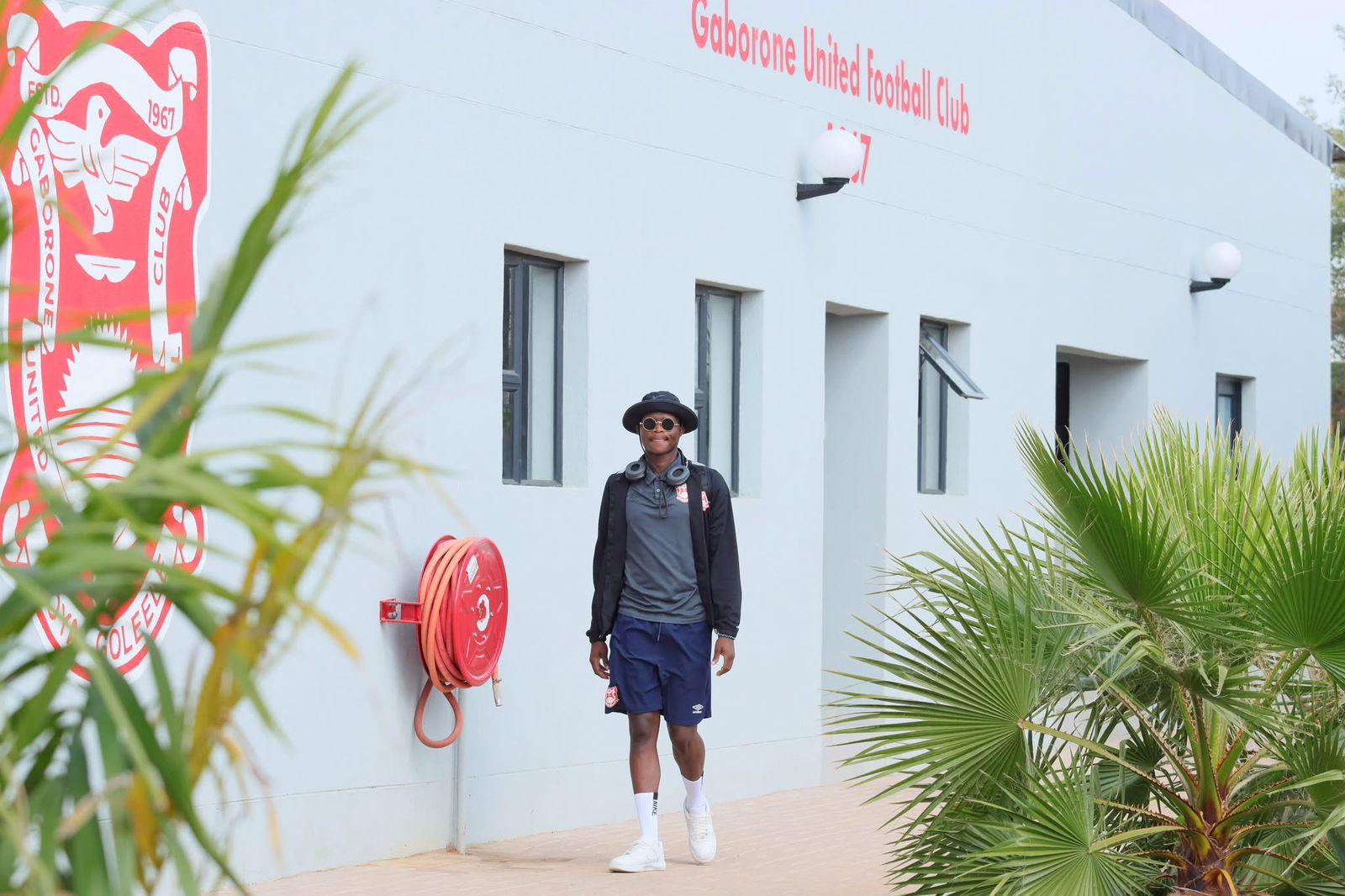
“A new opportunity emerged. I thought, ‘at least, we can do something instead of constantly moving around, feeling restricted, unable to plan ahead or play when we want because we don’t have our own ground.’ To grow into a thriving club, we need to start somewhere. The best approach is to build modest, owned facilities that can serve as a solid foundation. That’s why we built GU Stadium.”
GABORONE UNITED STADIUM – A SYMBOL OF RESILIENCE
Nestled just behind the University of Botswana, the facility in the heart of the city offers a stunning setting that’s easily accessible by car, on foot, by bus, or by combi. Growing interest in the facility reflects a rising demand, with topflight clubs eager to train here and individuals seeking a spot to play. “The absence of a national stadium for official matches has further amplified the need for our own dedicated venue.”
If the stadium stands as a symbol of resilience, then the club’s growing footprint across different levels of the game is evidence of a vision that continues to expand.
“Our women’s team won the COSAFA Cup and reached the last eight. Unfortunately, we did not do well. But we did more than we expected. We could have even done better. And then we have the junior ladies. We have an under-15 ladies’ team who also come from time to time to use the facilities.”
There is, in Zakhem’s words, a quiet pride, not just in victory, but in participation, in the slow and steady building of a football ecosystem that nurtures talent from the ground up. What began as a chance encounter in late 2005 has since evolved into a two-decade love affair between a man and a club, an unlikely partnership that has reshaped the fortunes of one of Botswana’s most storied teams. And then there is the history. The numbers that tell their own story of revival, particularly as United go for their second consecutive league title. If they pull it off, it will be the first time they have managed this feat in over six decades.
CLOSING THE GAP ON TOWNSHIP ROLLERS
“Since Zac came on board, everything has changed,” adds Dlamini. “He’s driven the commercial side of the club and brought real stability. The results speak for themselves. We won the league last season, and we’re pushing strongly for another league title.”
“For someone like me, who has always loved this club, it’s been special to witness that transformation first-hand. I’m still here as manager because I want to be part of this journey and contribute to the project. More than anything, I want to help ensure the club continues to grow and that Zac gets full value from the investment he’s made.”
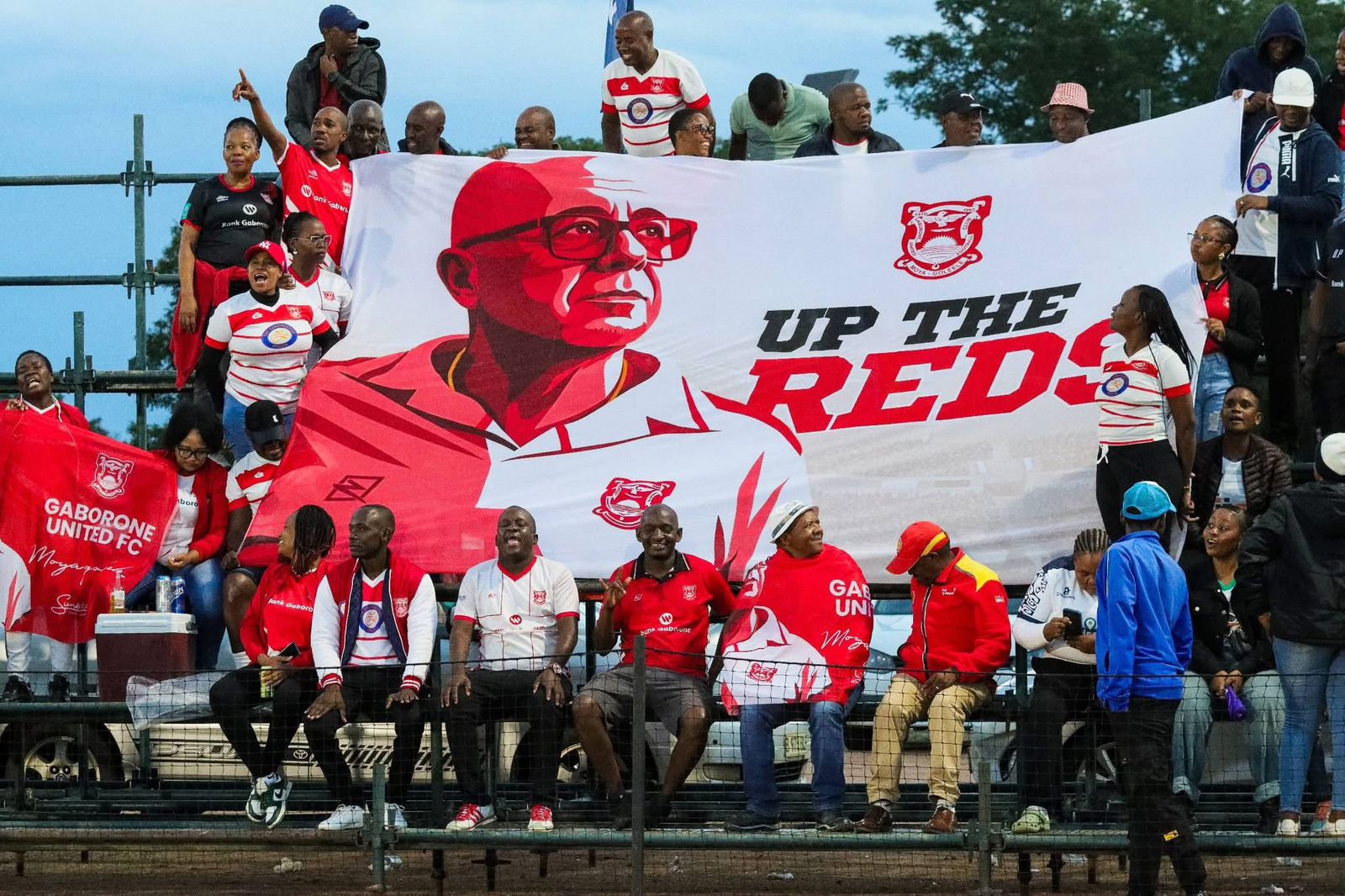
The man from Deddeh knows exactly what’s at stake. His “Money Machine” sits second on the all-time cup honours list, trailing only Township Rollers, a reminder of both pedigree and unfinished business.
He also understands the magnitude of what lies ahead: securing the title this season would mark the first time since 1967 that Gaborone United claims back-to-back league crowns. They will get another shot in the CAF Champions League. More than that, it would elevate them to eight league titles under Zac’s stewardship, a legacy move, etched in history rather than ambition.