
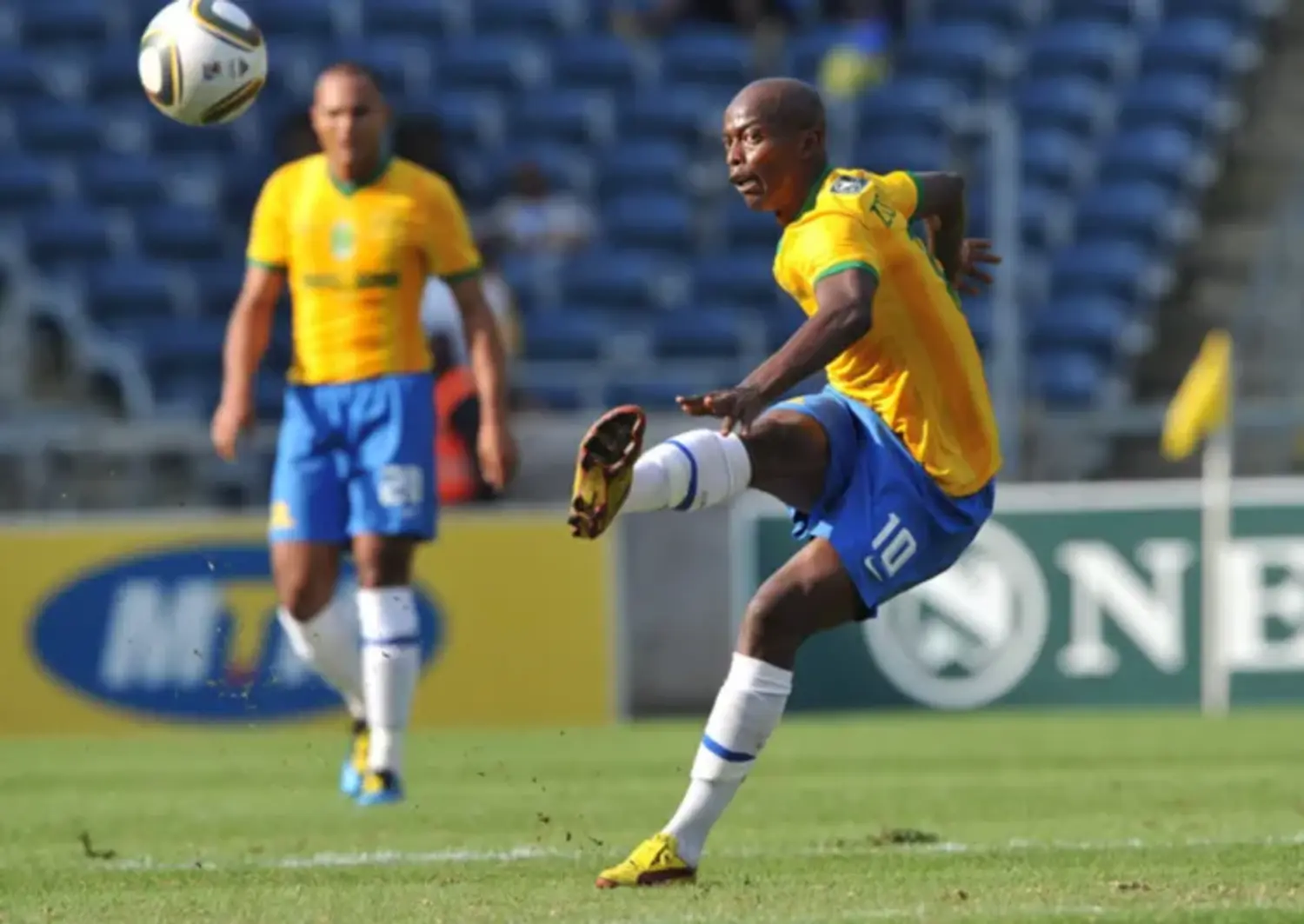
Papi Zothwane played football like a man solving puzzles before anyone else had seen the pieces. No wonder Teko Modise says the man nicknamed ‘Ginger’ was comfortably the finest midfielder he ever shared a pitch with. That alone tells a story. At his peak, The General was regarded as one of the best midfielders of his generation, yet even he bows to Zothwane’s brilliance.
Then there’s veteran journalist Mahlatse Mphahlele, hardly a man known for handing out compliments lightly, who likens Zothwane to a conductor orchestrating every movement on the field. Calm, intelligent and always two steps ahead.
But perhaps it was former Orlando Pirates midfielder Issa Sarr who offered the clearest insight into the man now shaping teams from the touchline. Sarr first crossed paths with him as Zothwane was just beginning his coaching journey.
At the time, the former Senegal international, Sarr, was winding down his playing days. Even in the early stages of his coaching journey, Sarr was quick to identify a defining trait. “He’s a ball-possession coach,” Sarr tells FARPost.
And listening to Zothwane today, you quickly realise his philosophy as a coach mirrors the player he once was. “I loved to have the ball at my feet,” Zothwane tells FARPost.
Everything flowed through him. The rhythm, the control, the confidence.
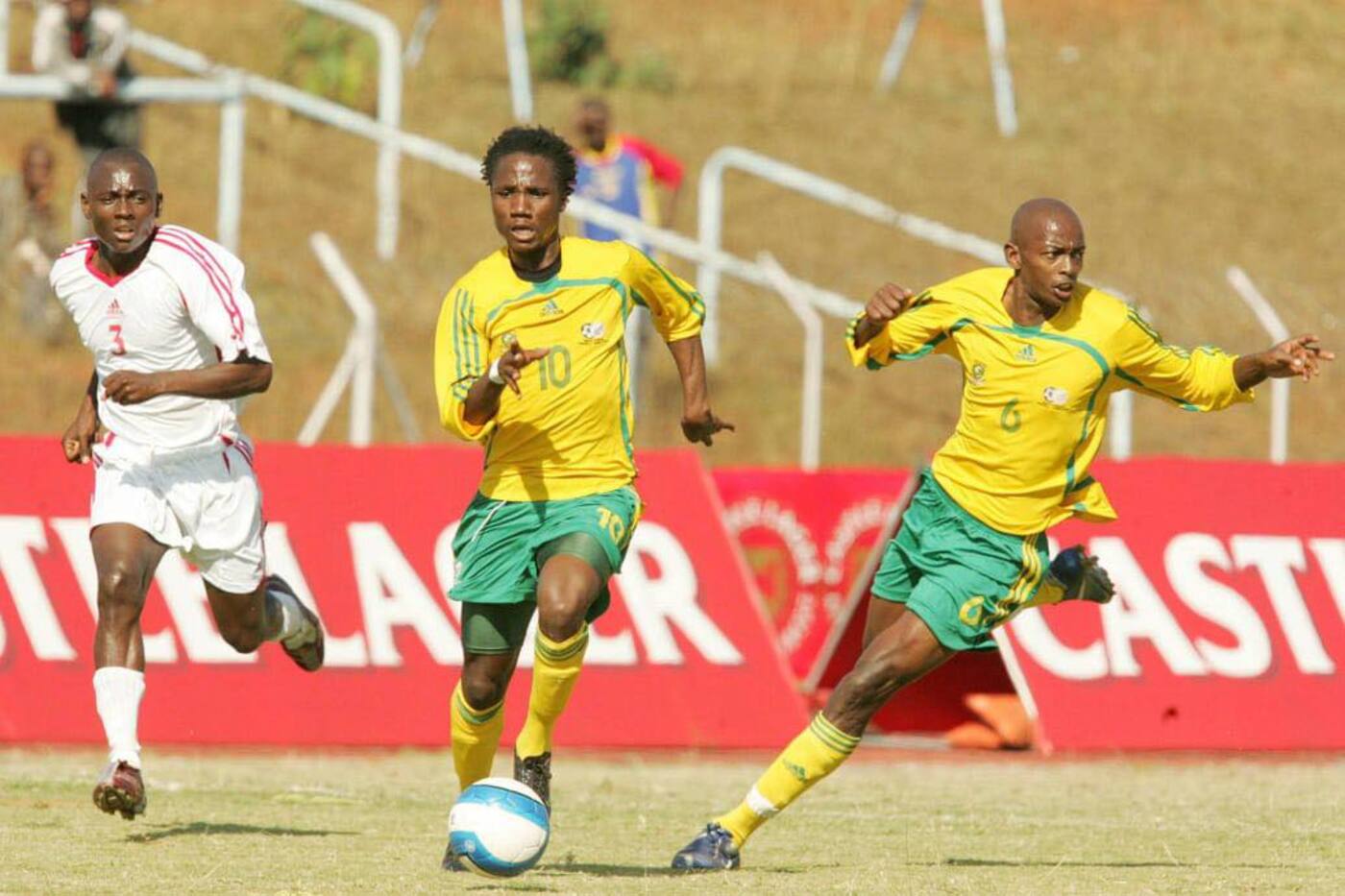
And like many great football stories, it started at home. Football was never just a game for Zothwane, it was part of the family fabric. Long before the packed stadiums and admiration of peers, he sharpened his craft playing for his grandfather’s team, where the love for the ball first took root.
HOW ZOTHWANE’S JOURNEY STARTED?
“My journey started with the family, my grandfather and father played, and my uncles played. It’s in the family blood. In fact, my grandfather owned a team,” he explains.
Of course, in the township, it all began as football for fun, dusty streets, makeshift goals and endless games played until sunset. But a stint with the now-defunct Real Rangers, known for reaching the last 16 of the BobSave Super Bowl in 2001, in Boipatong, stirred something deeper in him. The game stopped being just a pastime and started to feel like a calling.
But things took a “more serious” turn when Maritzburg City came calling in 2002.
At the Pietermaritzburg side, opportunity arrived through change. With Mbulelo ‘OJ’ Mabizela, Andile ‘Sguda’ Cele and Patrick Thwala moving on to big teams, the door suddenly swung open for the next generation. Youngsters like Zothwane, Mabhuti Khenyeza and Lungisani Ndlela stepped into the spotlight, hungry, fearless and ready to announce themselves.
“That’s when I started taking football seriously when I saw these guys moving to the top teams in the PSL like Orlando Pirates,” he adds.
“What grew more is the drive and hunger and desire to say these people, I was playing Bobsave with them and in the dusty streets, and now I was in the team that took them to the PSL. I wanted to focus even more.”
What followed was a move to Golden Arrows after impressing in a friendly match. Interestingly, in his early days,he was a winger. “At Maritzburg City, I played as a 10. But there were too many players in that position. They wanted wingers, and I had to play wing. I did very well, and they were confused. Later, Khabo Zondo took me to play as an eight.”
THE BOTCHED KAIZER CHIEFS MOVE
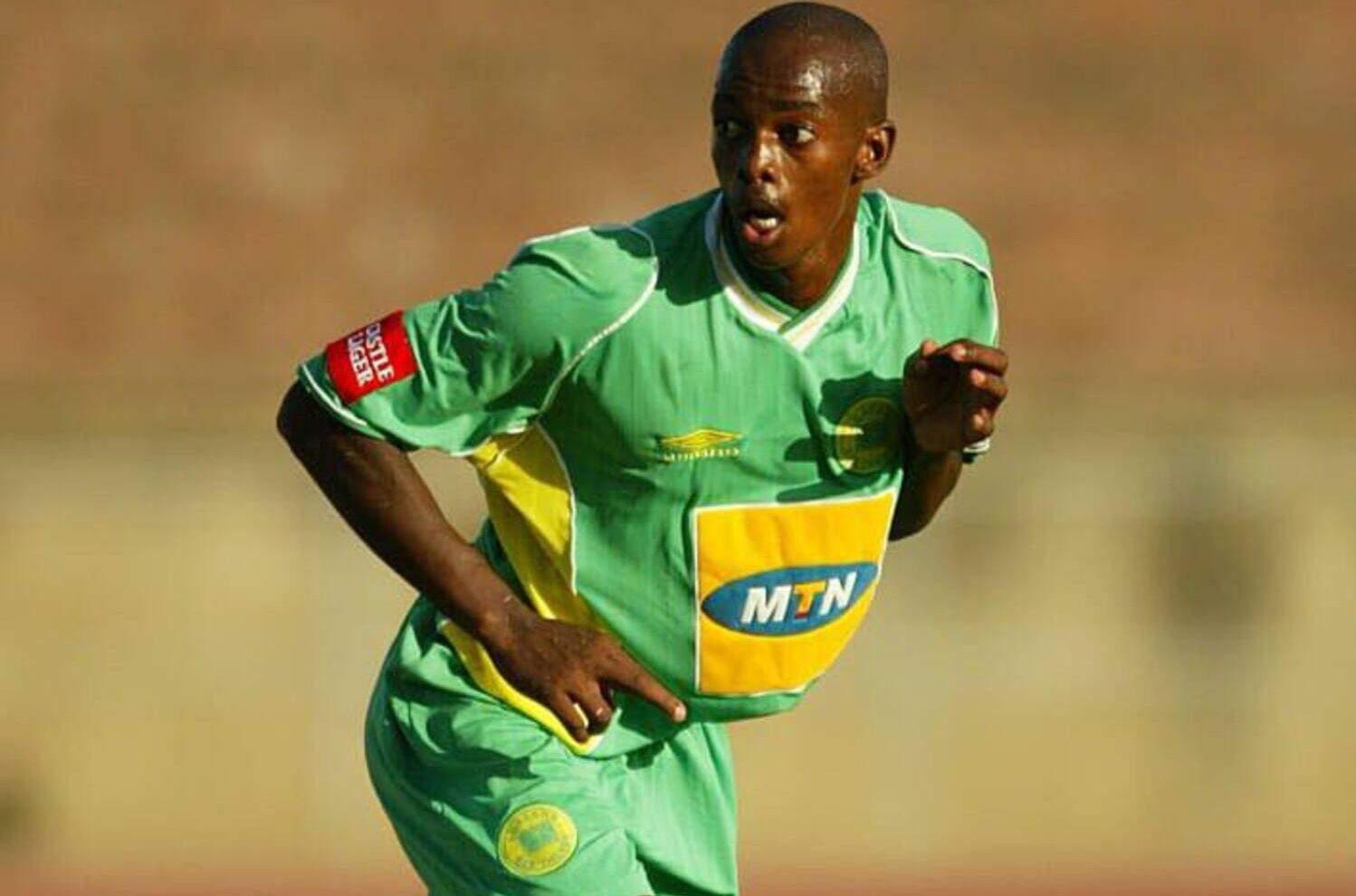
He wasted no time making his mark. In his debut full season, he was crowned PSL Club Rookie of the Year. He grew into a mainstay at Golden Arrows, commanding attention on the pitch and drawing admiring glances from some of South Africa’s biggest clubs.
When his contract with Abafana Bes’thende ran down in 2006, destiny appeared to be calling. Kaizer Chiefs came knocking, and for a boy who had grown up idolising Amakhosi, it felt like the story was writing itself. He believed he was about to follow in the footsteps of peers who had already crossed over to Chiefs and Orlando Pirates.
But football has a cruel way of changing direction. Just as quickly as the dream surfaced, the move collapsed.
“Growing up, I supported Chiefs. After being there, seeing the set-up and going through arbitration, it was disappointing to go back to Arrows.”
The setback could easily have broken him. Instead, it sharpened him. Those around him at the time speak about a mentality that refused to bend. More than the disappointment, he held onto one thing: one of South Africa’s biggest clubs had seen something special in him. That validation became fuel.
Vusi Vilakazi, his teammate at the time, recalls a version of him that felt unfamiliar. The disappointment had clearly taken its toll. But as the wounds slowly healed, he rediscovered himself and returned with renewed fire.
“He was a strong character. If it were someone else, I don’t think they would have survived that. Once he accepted the situation and got over the disappointment, we saw the best of him again,” Kanu tells FARPost.
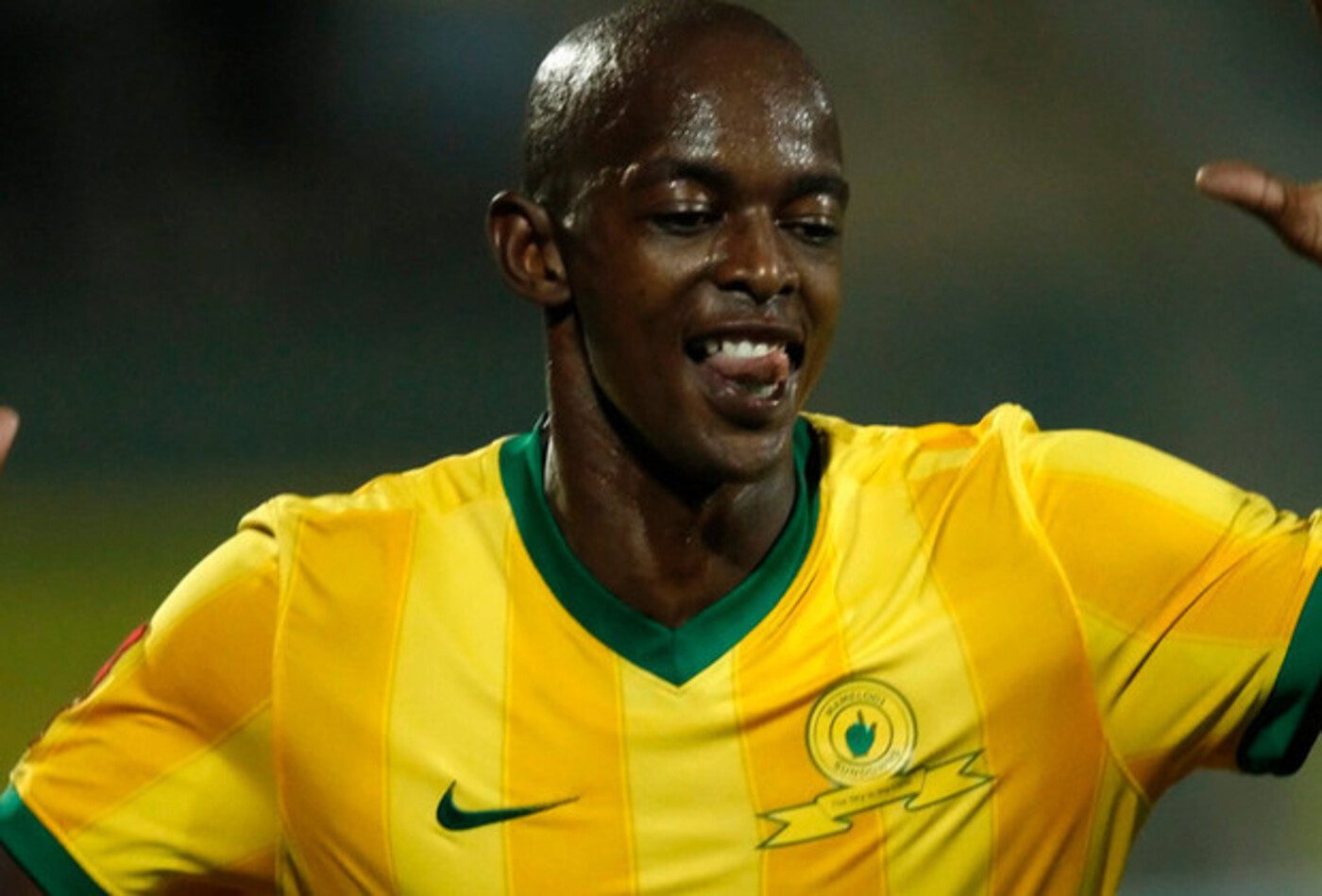
Soon, the national team call-ups started arriving, one cap after another, proof that his rise had not stalled.
Then, almost inevitably, Mamelodi Sundowns entered the picture three years later. By then, alongside his brother Nhlanhla Zothwane, Thanduyise Khuboni and Kagisho Digkacoi, he felt he had squeezed everything he could out of his surroundings. The ceiling was visible, and Sundowns offered a bigger stage, brighter lights and the promise of another level.
He put pen to paper with the Brazilians in July 2009, signing a three-year deal.
“I had good and bad memories at Sundowns. When I got there, I was hampered by injuries and many coaching changes. [Hristo] Stoichkov wants you to play a certain way…and the next coach a different way,” he says.
At some point, the game no longer stirred his soul the way it once had. Even a loan spell at Bloemfontein Celtic in 2012 failed to reignite the spark that had once defined him. The passion had faded, the fire burned low, and with that realisation came the toughest decision of all – to finally hang up his boots.
WHEN ZOTHWANE SWITCHED TO BUSINESS
Unlike many footballers who try to find their way back to the game when they retire, he wanted nothing to do with the game at that point. So, he started a tshisa nyama in 2013.
“I had a tshisa nyama in the Vaal, it was Richard Henyekane [may his soul rest in peace] and me. He was at Sundowns at the time, and we agreed I’d focus on the business. It did very well.”
But football, like any other calling, always has a way of summoning you back. “I had never thought of coaching in my life. At that point, I was still trying to figure out what to do after football. But I had put in time in my business. I had a family and kids. The call came while I was still thinking.”
When that call came from Sobantu Shooting Stars, he responded and won all the games in the second round of the season. That stint showed him he had good coaching abilities.
What followed was a move into the Golden Arrows youth setup alongside Vilakazi at the start of the 2016/17 season, a step that quietly marked the beginning of his coaching evolution. After three years of steady work in Durban, he linked up with Uthongathi to assist Pitso Dladla, sharpening his touch from the technical area rather than the pitch.
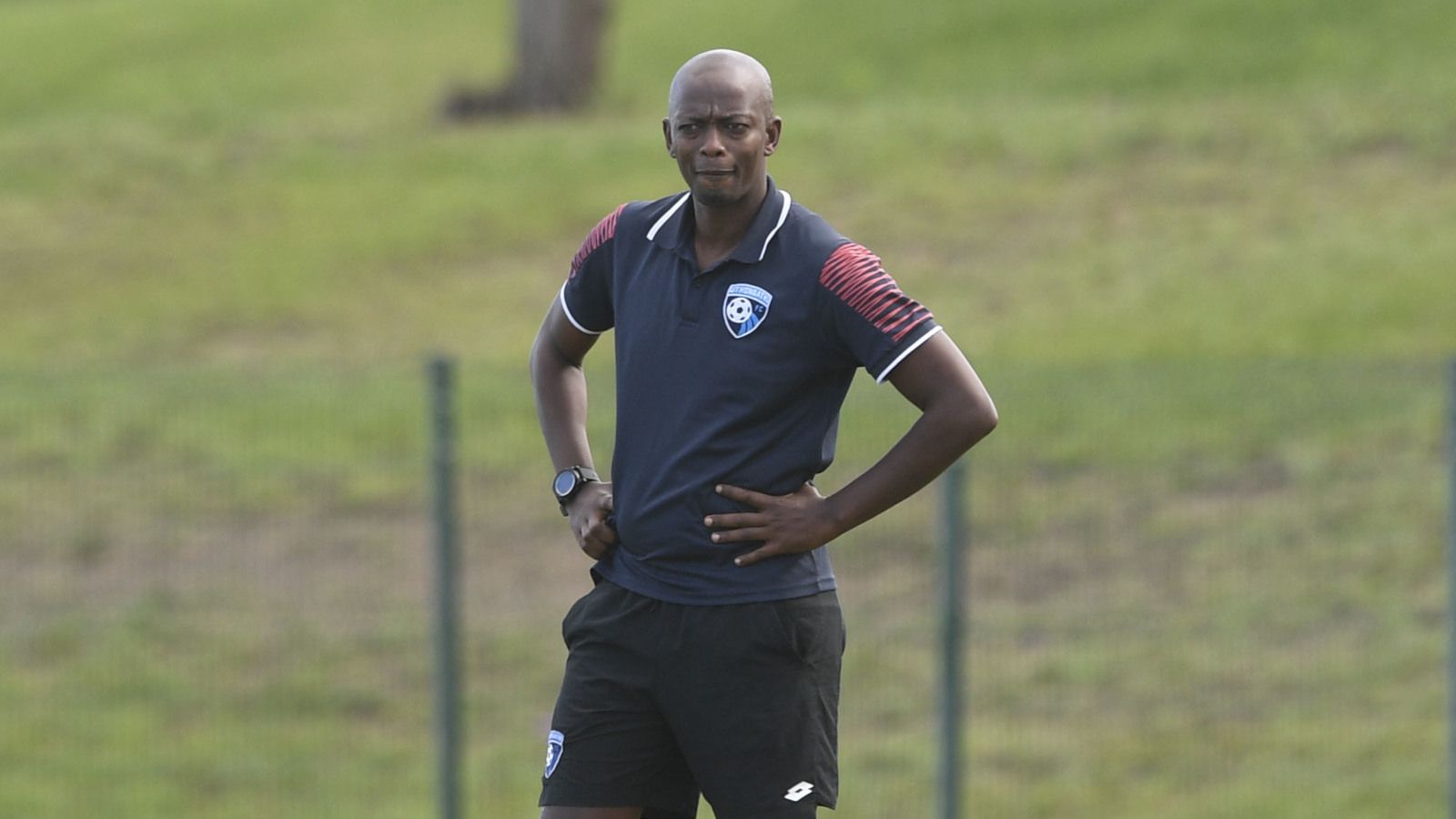
When Dladla later took charge at Richards Bay FC, the opportunity opened for Zothwane to step into the head coach role himself. He would go on to hold that position for three demanding seasons.
ZOTHWANE: “I LOVE POSSESSION-BASED TEAMS”
Yet, despite the challenges, Sarr insists that this was where Zothwane truly revealed himself as a coach. The former Senegal international believes the same calm authority and refined technical brilliance that once defined him as a player are now clearly reflected in his approach from the touchline.
In his eyes, he saw a former playmaker intent on shaping a side that embraces possession, a team that “loves the ball” with the same conviction he once showed in controlling it.
“His training sessions prepared the team to dominate possession, even when he was an assistant coach. It was clear that the sessions would be centred around ball work. It was beautiful to watch…,” Sarr explains to FARPost. “He gave the players freedom… everybody at Uthongathi enjoyed their game.”
The 44-year-old’s journey in coaching has already delivered its share of memorable milestones. A Carling Knockout Cup winners’ medal, earned with Magesi FC in their debut season and against his former side Mamelodi Sundowns, now sits proudly in his lounge as a reminder of that remarkable achievement.
Before that triumph, he had already savoured success with Arrows, where he helped secure the DDC title, further cementing his reputation as a coach on the rise. In the 2024/25 season, he steered Richards Bay to a top-eight finish last season, adding another strong chapter to a steadily growing career.
But for him, the real measure of coaching goes beyond results or medals. It lies in shaping a clear, unmistakable identity on the pitch. Rightly so, he understands why club administrators often look to him and ask for the same brand of football that once defined his Uthongathi side, a style built on intention, structure and belief.
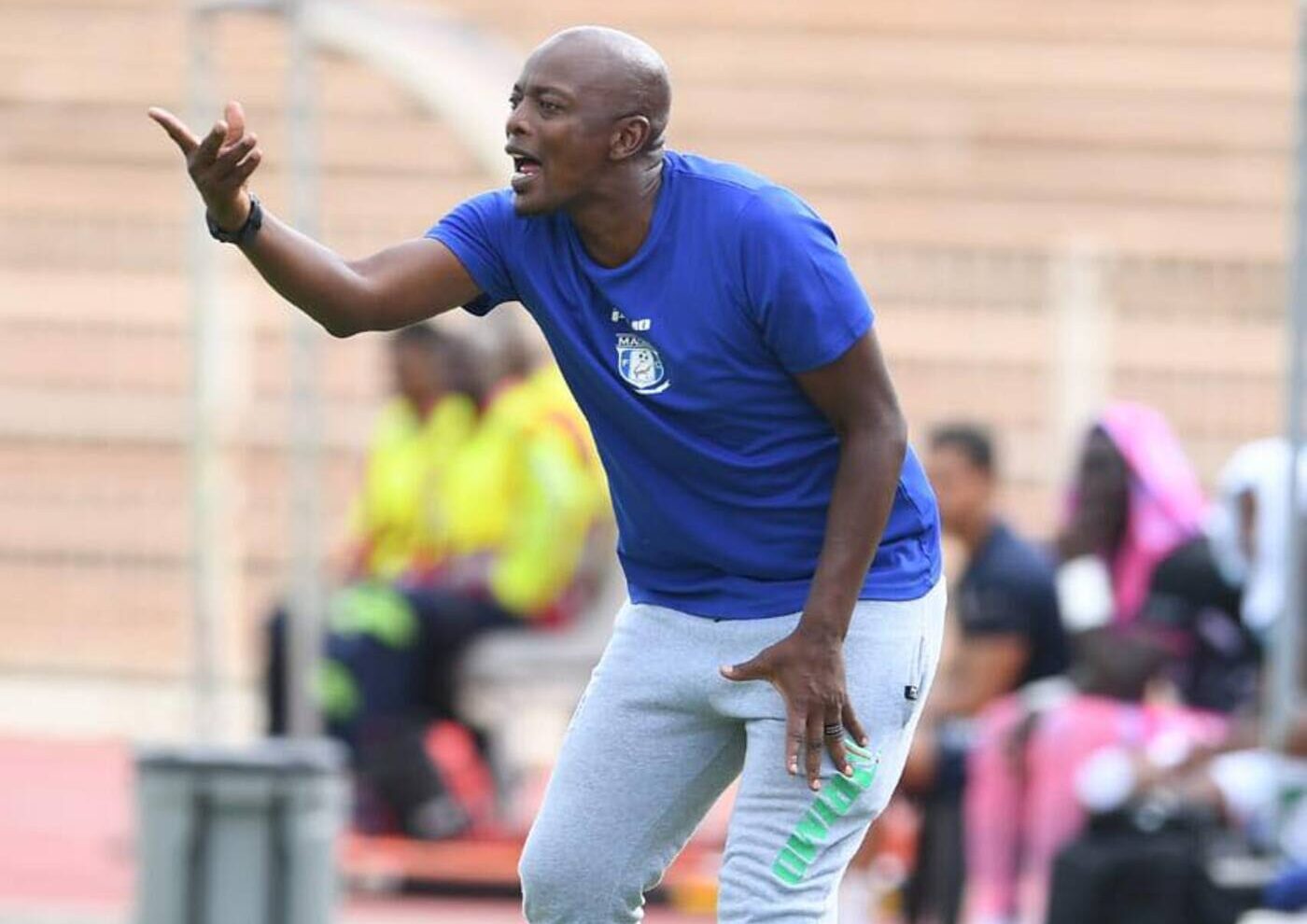
ZOTHWANE: ‘I VALUE IDENTITY’
Sarr, who began his coaching journey under Zothwane’s watchful guidance, echoes that sentiment. He also offers his own quiet testimony to the influence and philosophy that shaped his transition from player to mentor.
“I value identity,” Zothwane puts it simply. It is hardly surprising, given his admiration for football thinkers like Pep Guardiola and, on the local scene, Rulani Mokwena. He also draws inspiration from sides such as PSG, which he describes as “fluent in possession”, reflecting the kind of expressive, ball-dominant football he is constantly striving to build.
“I love a possession-based team because I believe for a team to score many goals, you must always have the ball, so I’m that type of coach. I’m fascinated by the world seeing players express themselves, and obviously, when you always have your possession, you stand a chance to dominate and then win games. I love dominance, so…”
His love for seeing his teams impose themselves on matches appears to flow directly from his days orchestrating play in the middle of the park. “It comes from how I used to play,” he admits. “I know how nice it is to have the ball…”
He still carries the feeling that he never truly reached the heights he believed were within him. The overseas move never came. The 2010 World Cup dream slipped through his fingers. For a player of his talent, there will always be that lingering sense of unfinished business.
But perhaps that dream has not died, only changed shape. Now, from the touchline, he sees another chance at greatness: helping his players climb the mountains he never quite conquered himself. Through them, the dream still breathes. Through them, he can still reach the highest stage.
RELATED STORY: A twist of fate: How Gaston Sirino accidentally landed in South Africa