
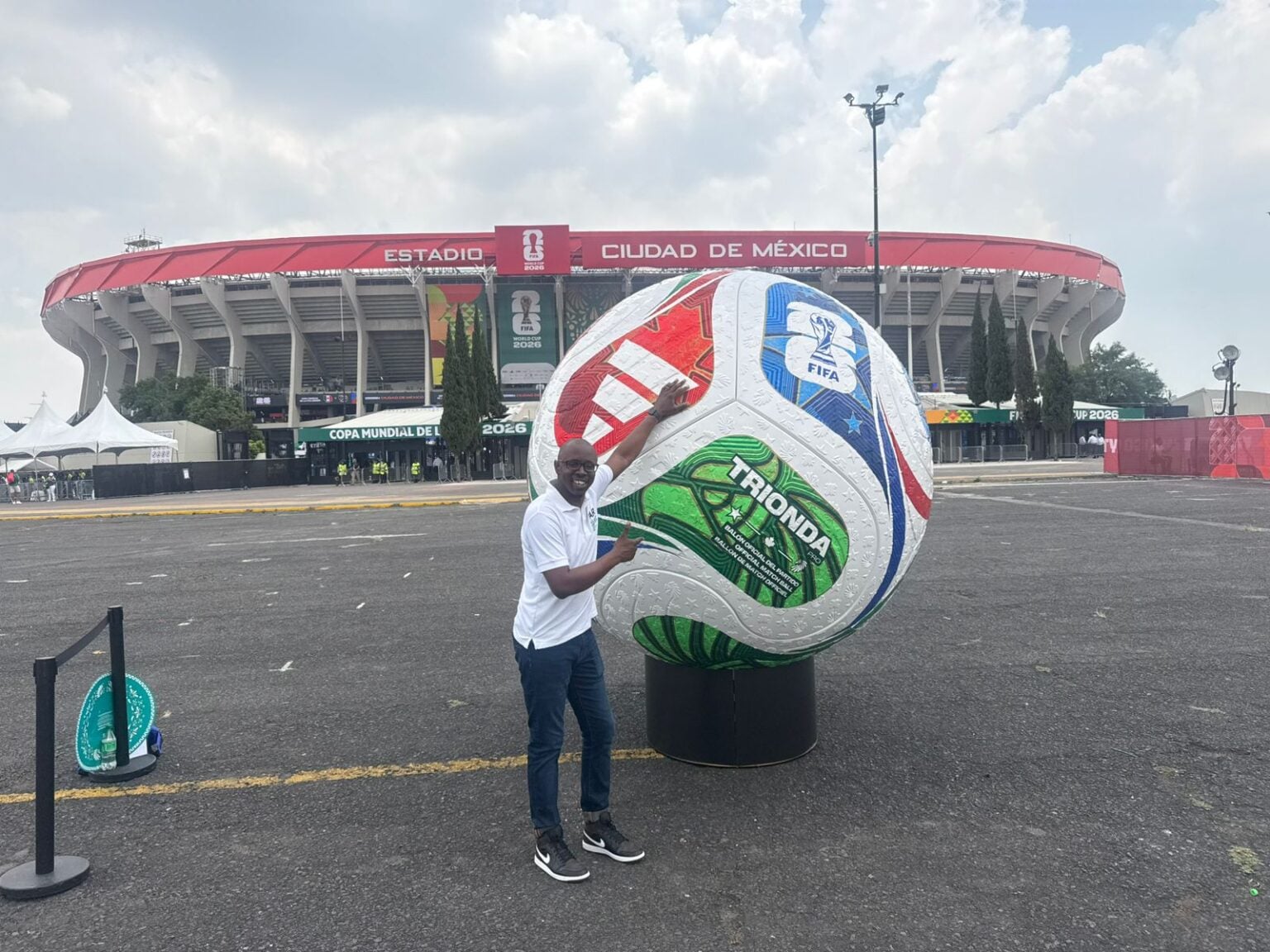
The FIFA World Cup, at least the one I looked forward to covering for the first time, is supposed to be football’s grand celebration. A month when football’s modern trends are on display, with tactics, goals, heroes and heartbreak dominating conversations from Mexico City to Johannesburg, from Dakar to London.
Instead, the opening days of the 2026 FIFA World Cup have sometimes felt like a parade of distractions that have little to do with football. Somewhere along the way, the world’s biggest sporting event appears to have become entangled in visa offices, border control rooms, security checkpoints and political sensitivities.
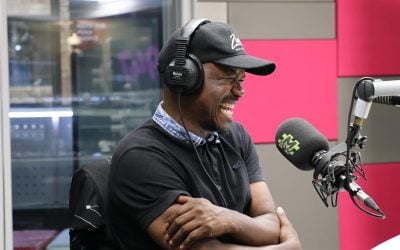
Shockingly, FIFA president Gianni Infantino urged people to “relax and chill” amid growing concerns about off-field issues surrounding the tournament. Veteran broadcaster Robert Marawa had none of it. “There’s no way anybody can relax and chill when abnormal things are happening,” he said.
Take the case of Ghana international Thomas Partey. The midfielder, who plays for La Liga club Villarreal CF, was denied entry to Canada, where the Black Stars kick off their campaign on Wednesday, 17 June. The 32-year-old has pleaded not guilty to charges of rape. He is due to stand trial next year.
Yet before a ball had even been kicked, football was already competing with legal debates, immigration decisions and public opinion.
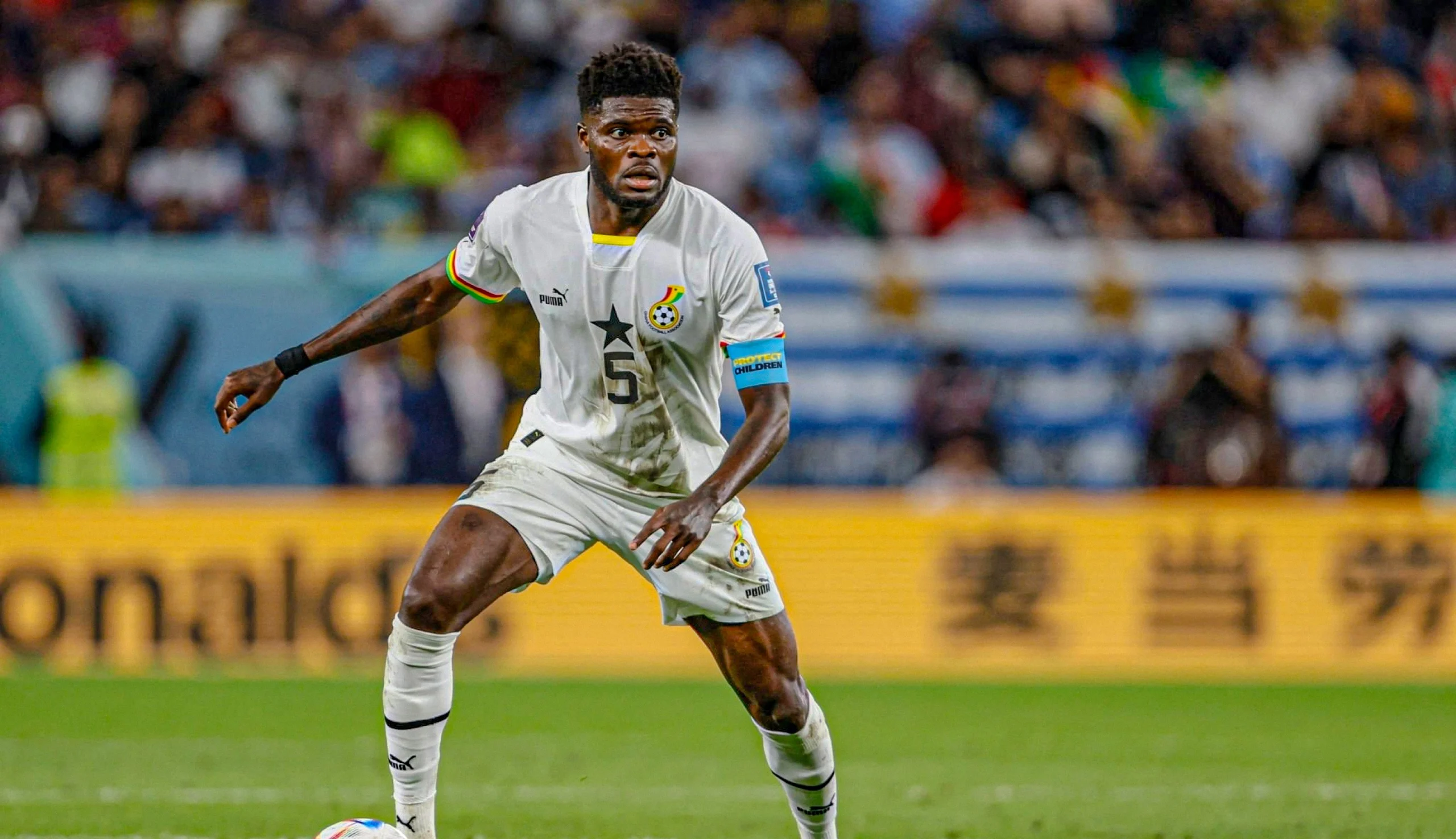
THE THOMAS PARTEY CONTROVERSY RAISES UNCOMFORTABLE QUESTIONS
Then came the ridiculous England FA, which was reportedly reviewing pre-match handshake protocols to determine how players should handle the traditional greeting with Partey. Suddenly, a gesture traditionally associated with sportsmanship became a global talking point.
Marawa questioned whether football was applying consistent standards, citing Manchester United legend Ryan Giggs as an example in the Partey case. “Why not shake hands with Thomas Oartey? Did they do the same thing, Ryan Giggs? I just think that this World Cup has expressed itself from a discriminatory perspective as not being really, really fair,” he said.
The controversy raised uncomfortable questions. Should allegations alone become the basis for sporting isolation? Should individual players be treated differently before any legal process has concluded? The World Cup should be dominated by conversations about formations, pressing systems or midfield battles. The football can’t become secondary.
Then there was the extraordinary situation involving Somali referee Omar Abdulkadir Artan. Artan had been appointed to officiate at the tournament, only to find himself denied entry into the United States due to visa complications.
For a referee selected by FIFA to oversee matches at the world’s biggest football event, the development was surprising. Again, football took a back seat.
The headlines were no longer about officiating standards or match appointments. They were about immigration paperwork.
The situation was hardly isolated. Iran’s participation in the tournament also became engulfed in political uncertainty amid escalating tensions in the Middle East. Instead of discussions about the team’s chances on the field, much of the conversation centred on geopolitics, travel concerns and the wider implications of international conflict.
Once again, football found itself competing with events far beyond the touchline. Iran moved its World Cup base camp to Tijuana, Mexico, after originally planning to be based in Tucson, Arizona.
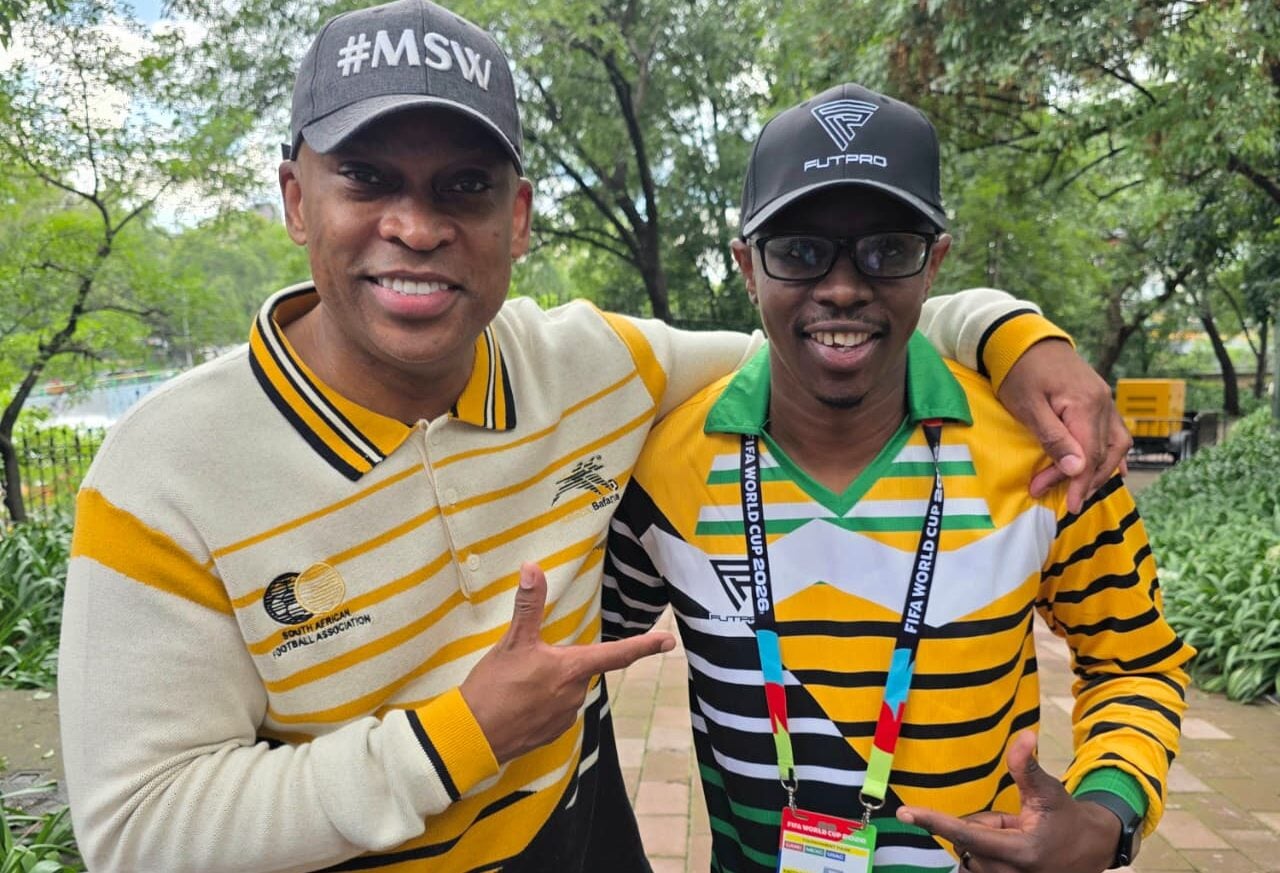
UNLIKE THE WORLD CUP IN 2010
As if that were not enough, reports emerged of the England team’s bus being broken into, while members of the Senegal delegation found themselves subjected to searches that many felt lacked dignity and respect.
The images and stories painted an uncomfortable picture. Players and officials who have spent years working towards football’s biggest stage suddenly found themselves navigating suspicion, bureaucracy and security procedures that seemed more fitting for a crime investigation than a sporting festival.
Marawa believes this is far removed from the spirit that has traditionally defined the World Cup.
“It’s not the World Cup in 2010 and in Germany when I went to a couple of the World Cups, or even in Brazil. We’ve all covered World Cups, and we know what they’re all about,” he said.
Indeed, many journalists who have travelled across multiple tournaments often speak of the World Cup as a unique moment when football temporarily transcends politics, geography and borders. The 2010 FIFA World Cup in South Africa became a celebration of African hospitality. Germany was remembered for efficiency. Brazil for passion and colour.
This edition has, at times, felt dominated by barriers instead of bridges. Borders instead of goals. Security checks instead of football analysis. Visa debates instead of tactical discussions. Of course, every host nation has a sovereign right to enforce its laws and immigration policies. No tournament exists in isolation from the realities of the world around it.
But there is also a legitimate question about whether football’s greatest festival is being overwhelmed by issues that should never become the main attraction.
NOW LET THE WORLD CUP FOOTBALL CONVERSATIONS BEGIN
Fans did not spend thousands of dollars travelling across continents to discuss visa denials. They did not fill stadiums to debate border control decisions. They came to watch the beautiful game of football. To celebrate the game. To witness moments that would live forever.
As the tournament unfolds, I hope to see attention finally return to the pitch, where it belongs. Because the longer the conversation remains focused on denied entries, broken-into buses, allegations, searches, geopolitical tensions and political complications, the more the World Cup risks losing the very thing that made it special in the first place.
The story should always be the football. Right now, football is fighting to be heard above the noise.
RELATED STORY: CAF Referee of the Year Omar Artan handed UEFA Super Cup appointment after World Cup heartbreak