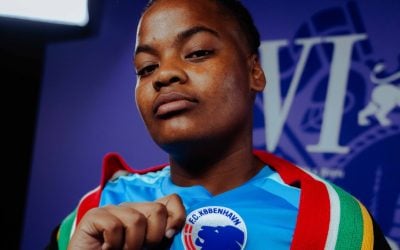


There was more than a trophy at stake when Manqoba Mngqithi’s Young Africans SC faced Steve Barker’s Simba SC in Wednesday evening’s Kariakoo Derby. Two coaches who have spent much of their careers in the Betway Premiership were standing on opposite sides of one of African football’s biggest rivalries, preparing for a new season in a country where expectations are enormous, and the margin for error is small.
Mngqithi’s Young Africans eventually walked away with the trophy after a 1-0 victory, courtesy of new signing Albert Kangwanda’s goal. But the result was perhaps less interesting than what the game revealed about the two coaches and the challenges they face.
For Mngqithi, this is still the beginning as he guides Timu ya Wananchi against Namungo FC in the league opener away from home on Saturday. For Barker, there is already an established foundation to build on as he starts his campaign away against Kagera Sugar FC.
On Wednesday, the difference was evident in how the teams approached the game. Young Africans, league champions for five consecutive seasons, did not start particularly well. They struggled to keep the ball during the opening 20 minutes, gave possession away in midfield and found it difficult to establish any real rhythm.
YANGA’S ABILITY TO MANAGE THE GAME
That should not come as a major surprise. Mngqithi is trying to put his ideas into a team that has undergone changes, while players such as Peter Shalulile and Kangwanda are still finding their feet in a new attacking structure.
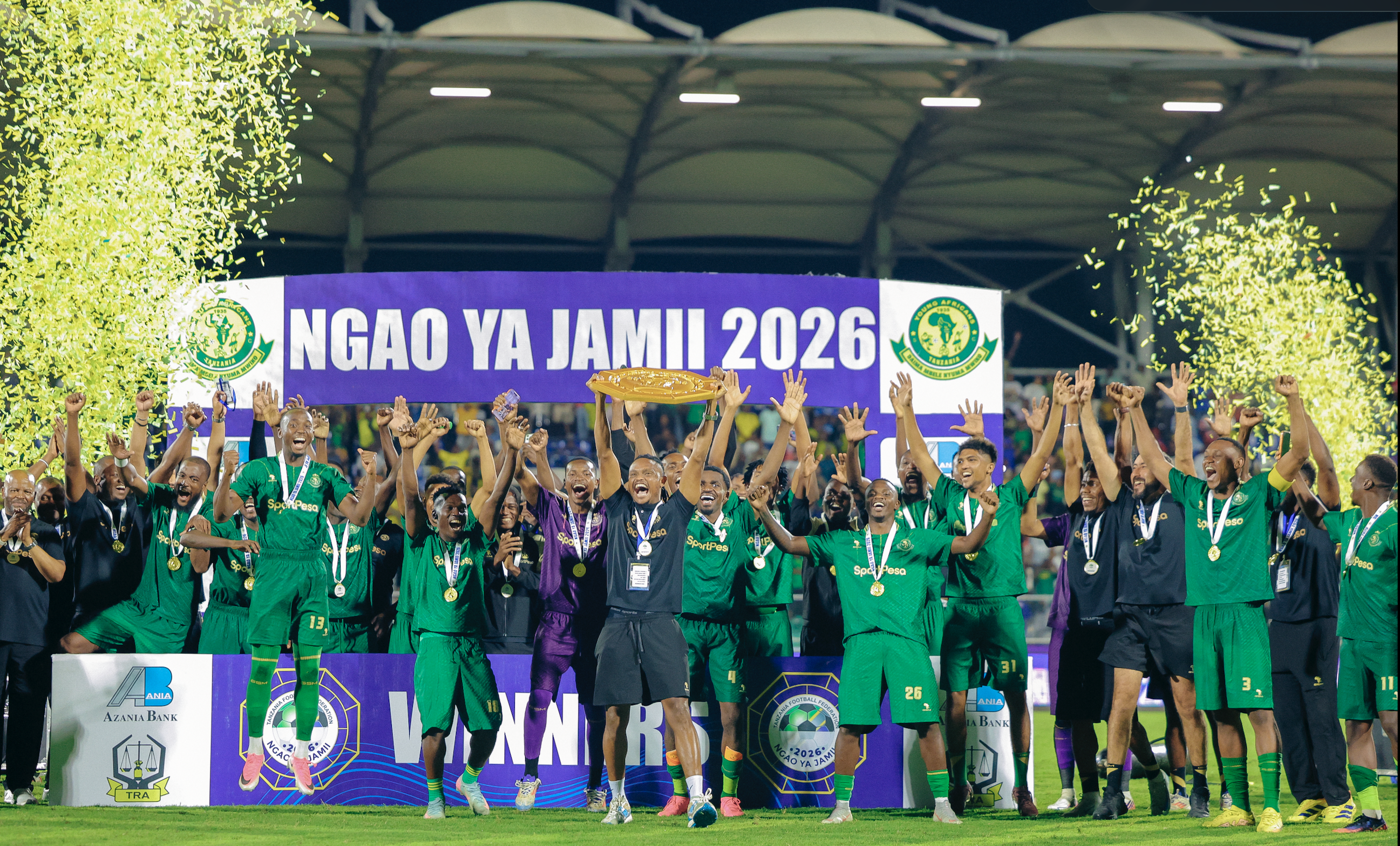
But what mattered was how Yanga responded. Once they settled, they grew more comfortable and began creating better chances. Simba may have enjoyed more possession during the opening stages, but much of it was in areas where they could not seriously threaten Yanga. Once Kangwanda put Yanga ahead in the 31st minute, Mngqithi’s side showed another quality that will be important as the season progresses – the ability to manage the game. They did not need to dominate every minute. They simply needed to control the important phases.
That will please Mngqithi because, while the performance was far from perfect, it showed signs of a team beginning to understand what its new coach wants. And something else makes Mngqithi’s situation particularly interesting.
He has arrived at one of Tanzania’s biggest clubs after spending years working within South Africa’s football system, most notably at Mamelodi Sundowns and Golden Arrows.
Now, he must translate that experience into an environment where Yanga are expected to compete for everything. Winning a trophy so early in the relationship will certainly help.
It gives the players belief and, perhaps just as importantly, gives Mngqithi something tangible to point to as he continues building the team.
BARKER HAS A MORE SETTLED TEAM
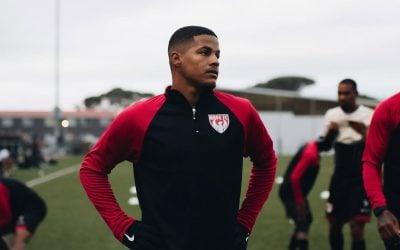
While Mngqithi is trying to establish an identity, Barker is further along that road. The former Stellenbosch FC coach has been at Simba since December 2025, and therefore has had considerably more time to work with his players and impose his ideas. That was visible at times on Wednesday.
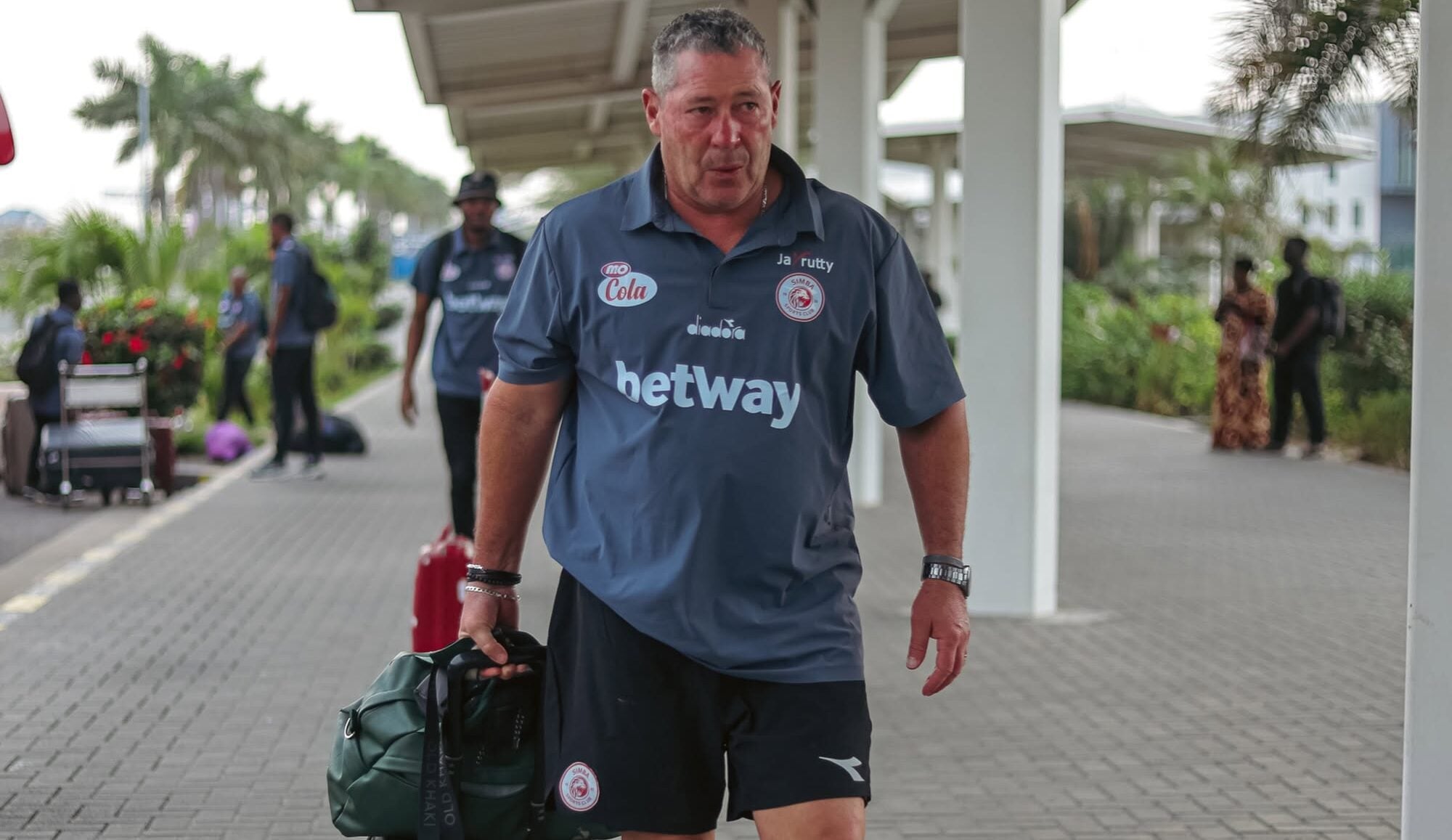
Simba looked like the more settled team in the opening exchanges, moving the ball with greater confidence and controlling possession. The problem was what they did with it. They could dominate possession without consistently getting into dangerous areas, and that ultimately allowed Yanga to grow into the game. This is where Barker’s challenge becomes interesting.
He inherited a club with huge expectations and a squad that must compete not only for domestic honours, but also in the CAF Champions League. The standards are different, and there is no luxury of spending half a season figuring things out.
One area that looks particularly important is defensive midfield. Simba have options in Yusuph Kagoma and Kelvin Nashon Naftali, but Wednesday’s game suggested that they could still benefit from a more natural defensive midfielder, someone capable of protecting the back four, especially in the Champions League, winning second balls and helping the team control the centre of the pitch when games become stretched. That could become particularly important in Africa. In fact, Naftali seems like good cover for an 8 and is not built so much for a number 6. Barker’s Simba will miss recent departure Alassane Kante, especially in matches where they need to close down dominant opposition and deal with aerial duels.
THE DE REUCK FACTOR
If there was one Simba player who stood out for me despite the defeat, it was Rushine De Reuck. The former Mamelodi Sundowns defender has quickly become an important figure at Simba and has been entrusted with the captaincy.
Watching him in the derby, it was easy to understand why. He brings authority to the back line, reads the game well and, perhaps most importantly, appears to give those around him confidence.
His partnership with former Stellenbosch central defender Olivier Toure is another encouraging sign for Barker. For me, De Reuck is already among the best centre-backs in the Tanzanian Premier League. That is also a view shared by several journalists I have spoken to in Tanzania.
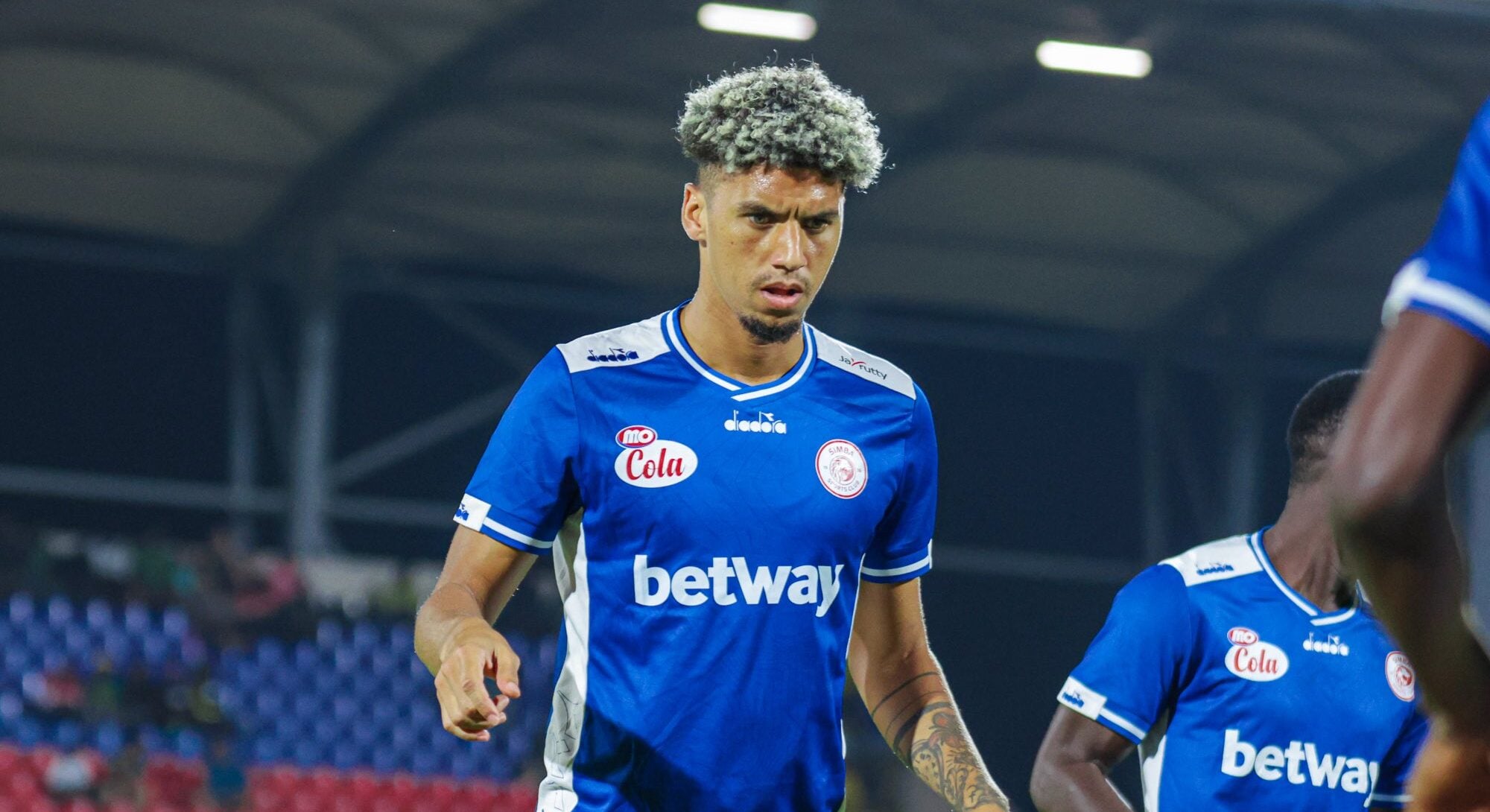
Interestingly, Barker has already suggested that the new Bafana Bafana coach should take a closer look at De Reuck, believing he has something to offer at international level. That is a debate worth following as the season develops.
BARKER HAS ANOTHER PUZZLE
Then there is Ibrahim Doumbia. The striker has arrived from Malian club AS Kôrôfina after scoring 17 league goals and 21 in all competitions last season, so the expectation will naturally be that he brings goals to Simba. But Wednesday showed Barker may need to find the right formula. Doumbia looked more comfortable operating closer to the penalty area than when he was asked to contribute further away from it. That became a problem because Yanga defended their penalty area well and prevented Simba from consistently getting the ball into the spaces where their new striker could be most effective. There is clearly a goalscorer there. The question is how quickly Barker can build a system that gets him into the game. The Tanzanian league is also a different proposition from the Malian topflight, and some adaptation should be expected.
DIKGACOI’S ROLE CAUGHT MY EYE
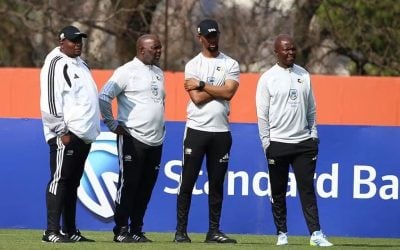
There was another South African connection that caught my attention. Kagisho Dikgacoi, part of Mngqithi’s technical team, was particularly active in communicating with Yanga’s midfielders when they struggled early in the game. He repeatedly appeared to encourage them to slow the game down, take their time and move the ball rather than rush their decisions. That made sense given his playing background.
Dikgacoi was a midfielder himself, including during his time at Fulham and Crystal Palace, and he seemed to be drawing on that experience from the technical area. Mngqithi also knows him well from their time together at Golden Arrows. He has spoken previously about his belief in Dikgacoi and his potential as a young coach, and Wednesday offered an interesting glimpse into the kind of role he could play within Mngqithi’s technical team.
RELATED STORY: The night Yanga snatched Selemani Mwalimu from Simba SC