
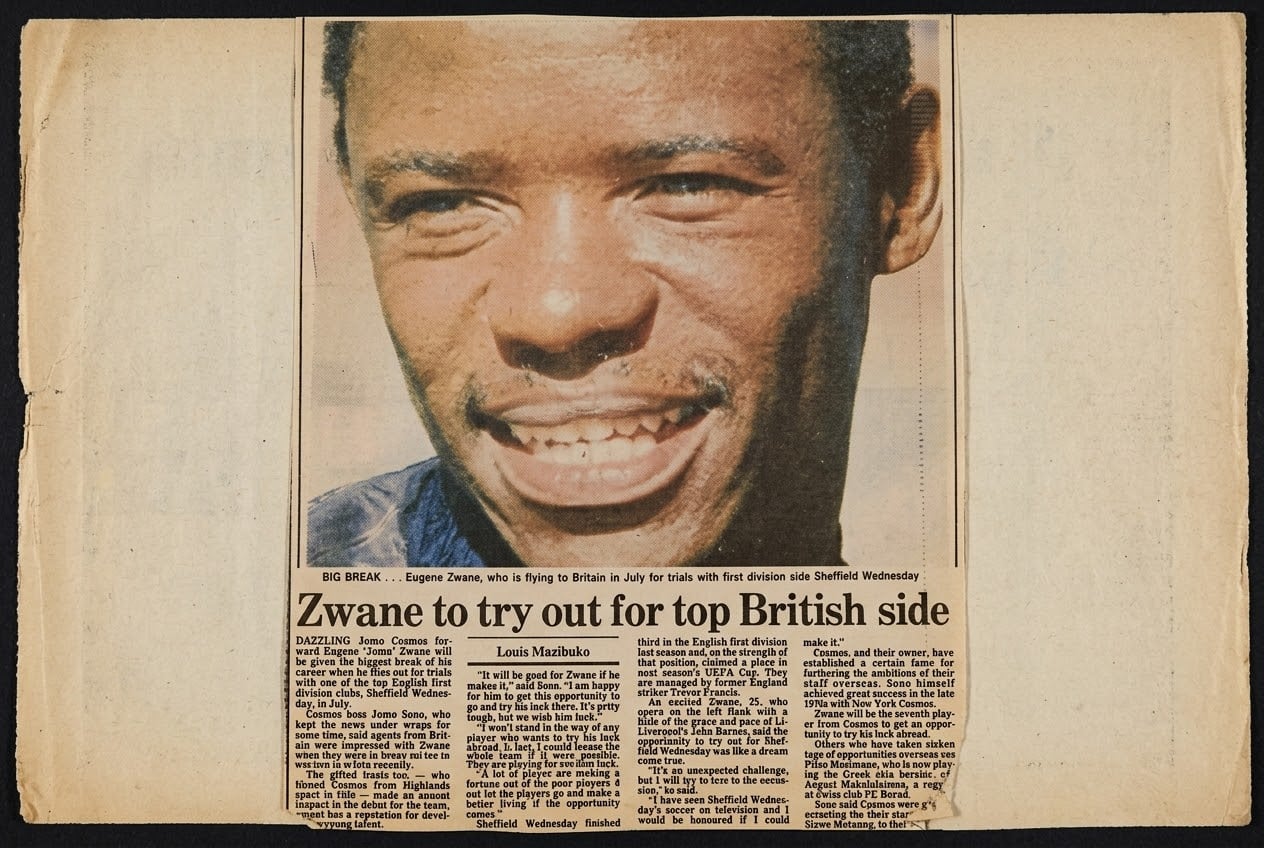
A few weeks before I was due to travel to England for a trial with Sheffield Wednesday, a cruel injury changed the course of my football career.
It was 1991, and I was playing for Jomo Cosmos. I had been invited to a trial with Sheffield Wednesday in the United Kingdom, who were then competing in the UEFA Cup [now Europa League]. I was due to join the team for pre-season in July, while the South African season ran from January to December. Then I got injured.
What initially stood between me and that trip became a recurring problem. It kept me out for long periods and later limited my playing time at Orlando Pirates and SuperSport United.
The consequences extended well beyond the matches I missed. The trauma, grief and emotional strain of losing an opportunity, and repeatedly struggling to do the work I loved, have never fully left me.
A corporate career later helped soften the impact. It gave me another professional direction and something to build outside football.
Many players have similar stories. Too many face that uncertainty without another career to turn to, and without the support to understand what they are going through.
Football gives a player a place to be every morning. There is training to attend, a match to prepare for, a coach to impress and teammates who understand the demands of your work. Even disappointment comes with a familiar response: recover, train and fight for your place.
Retirement removes much of that structure. The training schedule disappears. There is no next fixture to work towards. The regular salary may stop, while the responsibilities it supported remain.
FIFPRO STATS HIGHLIGHT DEPRESSION AMONG RETIRED FOOTBALLERS
A player who spent years knowing exactly what was expected of him can suddenly struggle to answer a basic question: what do I do now?
For some, retirement brings relief and pride. For others, it brings anxiety, loneliness and a loss of purpose. Those feelings can exist together. Being grateful for a football career does not make its ending easy.
According to the Federation of International Associations of Football Professionals [FIFPRO], 25% of active footballers experience depression, rising to 40% among retired footballers.
Comparable public data for South Africa remains limited, but the absence of local figures should not be mistaken for the absence of a problem. It should encourage greater research and support for players navigating this transition.
An injury can bring that uncertainty forward, long before a player feels ready to confront it. My own experience taught me how quickly plans can change.
Many players leave home young to enter academies. Their days become a cycle of school, training, matches, travel and recovery.
As they progress, more people help organise their lives. Coaches determine the schedule. Club officials arrange travel. Agents deal with opportunities and contracts.
That support helps players perform. But it can also leave gaps in their preparation for ordinary working life.
Footballers need opportunities to learn how to manage money, make decisions independently and develop skills that have value beyond their playing ability.
The attention surrounding the game can make those needs easy to overlook. Flights, television appearances, hotels and packed stadiums create the impression of a life that will keep moving upwards.
Yet a football career has a limited lifespan, and it doesn’t always end on the player’s terms.
ZWANE’S MOVE INTO CORPORATE WORK
When your identity has been built around selection and performance, being unable to play can feel like losing a part of yourself. You have to discover who you are when nobody is judging your contribution by what happens on a pitch.
Not every former player can become a coach, commentator or personal trainer. Those opportunities are limited, and they will not suit everyone.
Players should be encouraged to explore their interests while they are still earning and playing. Education, vocational training, work exposure and mentorship can help them identify a future they genuinely want.
Football already teaches useful habits: discipline, preparation, teamwork and the ability to respond to setbacks. The challenge is learning how to apply those habits in a different environment.
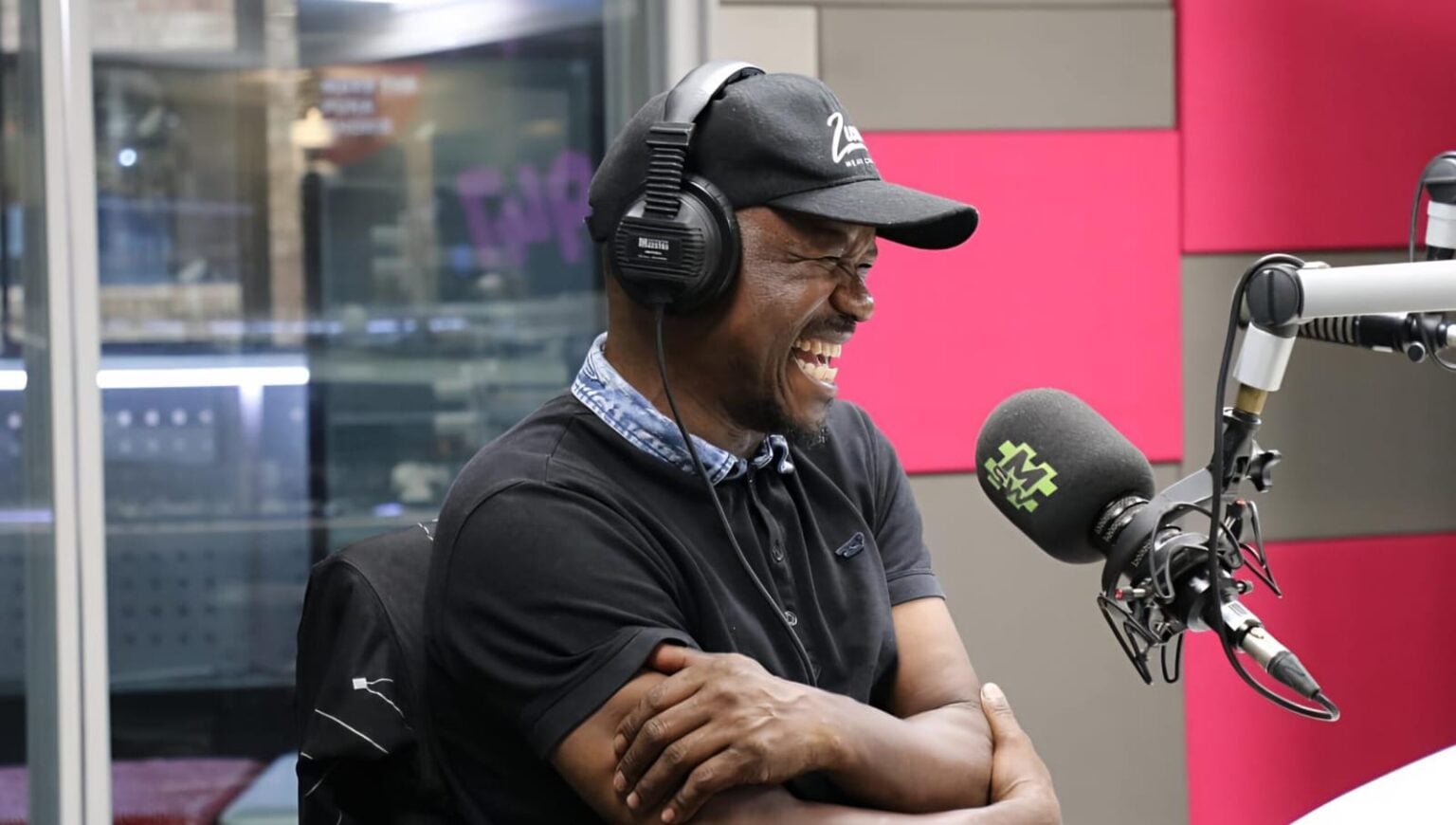
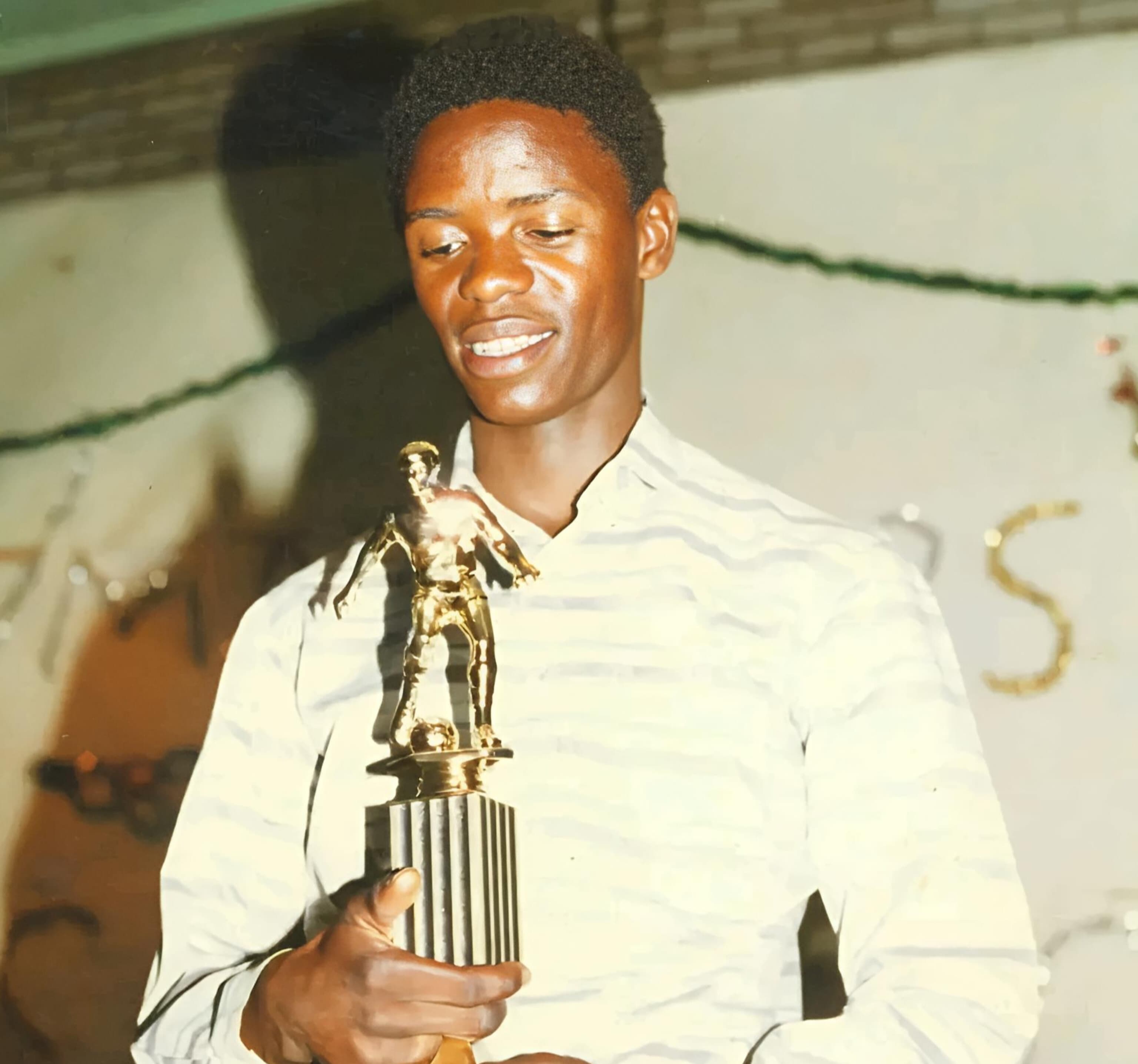
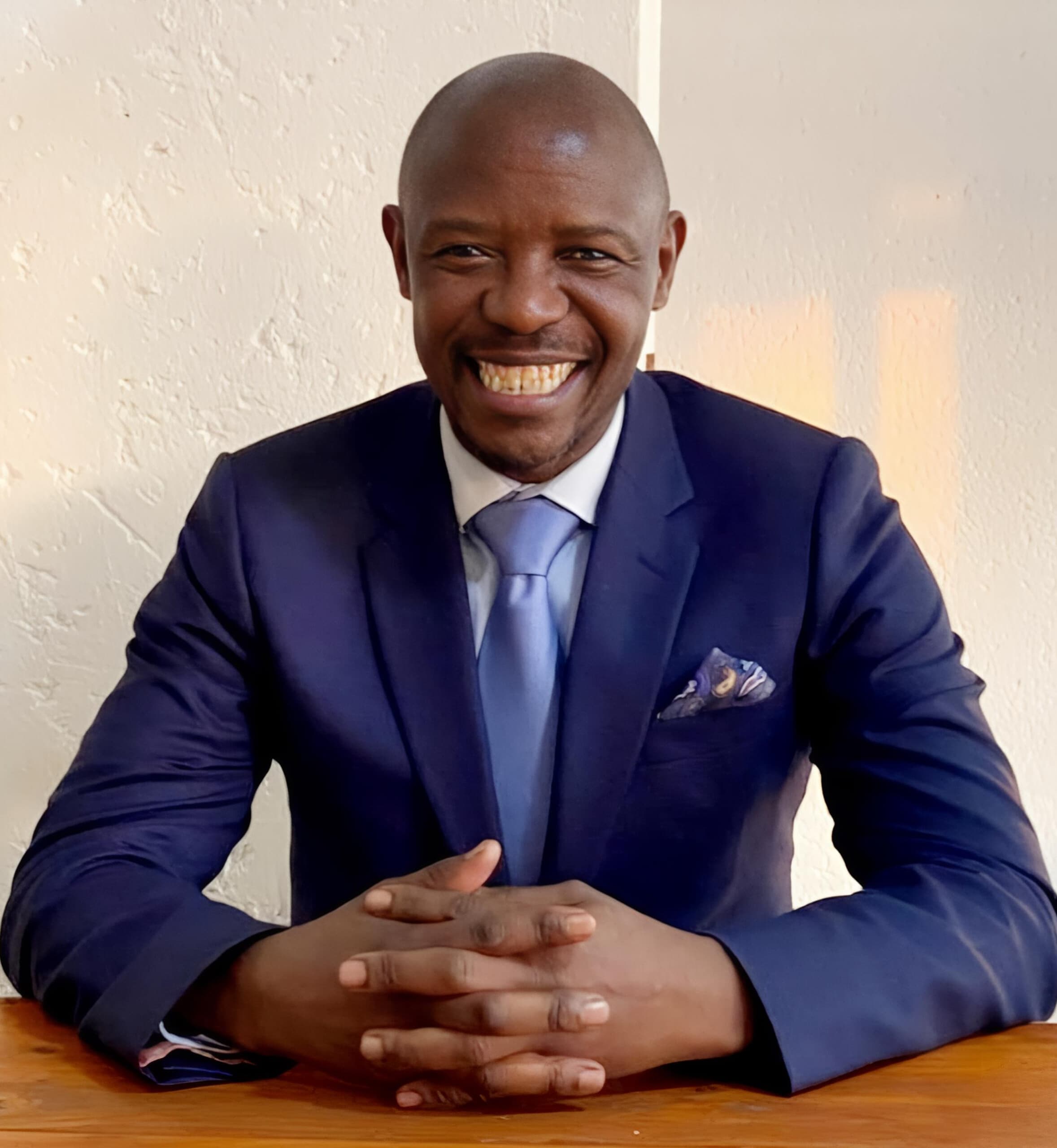
My move into corporate work helped me find another direction. It did not erase the disappointment of my injuries, but it gave me somewhere to invest my energy and rebuild.
That possibility should be available to more players. It should not depend entirely on who offers them an opportunity after retirement.
Players have a responsibility to prepare, but football institutions have a responsibility to help them.
Clubs and academies should make education, financial literacy and career planning part of player development. Unions, agents and families also have a role in helping players make decisions that will serve them beyond their next contract.
The United Kingdom offers a useful model through the Professional Footballers’ Association. Players can access support including career counselling, retirement planning, subsidised coaching courses and financial guidance. Such programmes recognise that player welfare must extend beyond a playing contract.
I STILL THINK ABOUT THE SHEFFIELD WEDNESDAY OPPORTUNITY
Psychological support matters just as much. A player facing recurring injury or retirement needs space to speak honestly about fear, disappointment and uncertainty.
These conversations should begin while players are active. Waiting until someone has lost his income or is struggling emotionally makes the transition harder.
Support should also recognise the physical adjustment. Without organised training, former players must develop new routines around exercise, food and health, often while managing the effects of injuries sustained during their careers.
There is nothing wrong with enjoying the rewards of a football career. The danger comes when those rewards leave little foundation for the years ahead.
Savings, education and relationships outside the game can give a player choices when football ends. So can the humility to learn something new and accept that starting again may take time.
I still think about the opportunity that injury interrupted in 1991. It remains part of my story. So does the career I built afterwards.
Football must help players see that their lives can continue to have purpose beyond the game and give them practical support to build those lives before the final whistle.
RELATED STORY: Tapelo Xoki opens up on the mental toll of his injury layoff