


When Japan walked onto the field against the Netherlands in their 2026 FIFA World Cup Group F clash in North Texas, one of the most fascinating stories in the starting line-up stood between the posts.
At just 23, Zion Suzuki is already carrying the hopes of a football nation that for decades viewed the goalkeeper position as its greatest weakness.
Born in Newark, New Jersey, to a Ghanaian father and Japanese mother, Suzuki could have represented three different countries. Instead, he chose Japan, the country where he grew up and developed into one of the world’s most promising young goalkeepers.
And according to Japanese journalist Yugo Ishikawa of Kyodo News Agency, Suzuki’s rise has transformed perceptions of goalkeeping in Japan.
Speaking to FARPost at the FIFA World Cup, Ishikawa explained how Suzuki’s journey began far from the bright lights of Japanese football.
“His father is from Ghana, and his mother is Japanese. He was born in the United States but soon came to Japan and started playing football when he was about four or five years old,” Ishikawa tells FARPost.
Suzuki quickly gravitated towards the goalkeeper position and joined the youth structures of Japanese giants Urawa Red Diamonds.
The road to the top was not straightforward. Despite being highly rated, he initially struggled for opportunities because established international goalkeepers were ahead of him in the pecking order at Urawa Reds.
However, his talent eventually became impossible to ignore. After progressing through the ranks, Suzuki earned professional status at just 16 years and five months, becoming the youngest player ever to sign a professional contract with Urawa Red Diamonds.
ZION SUZUKI CHANGING GOALKEEPING IN JAPAN
For years, Japan produced technically gifted outfield players but often faced criticism regarding the quality and consistency of its goalkeepers. Ishikawa believes Suzuki has changed that narrative.
“It is said that the goalkeeper was a weak point for Japan for a very long time, but now it has changed because of him,” he explained. “He is very tall and powerful. It is something not typical in Japanese football. Now, the goalkeeper is becoming a strong point for Japan.”
Standing at 1.90 metres, Suzuki combines athleticism, commanding aerial ability and impressive distribution with the ball at his feet.
Those attributes have made him one of the most important players in Hajime Moriyasu’s squad. Suzuki’s rise has not been without setbacks. He was Japan’s first-choice goalkeeper during the 2024 AFC Asian Cup, a tournament where he faced heavy criticism after several high-profile mistakes.
Rather than allowing those errors to define him, he used them as fuel for improvement. “Actually, he didn’t play very well at that tournament,” Ishikawa admitted. “But through that experience, he became a better player. He used the experience very well to become a very good goalkeeper.”
Suzuki himself has previously reflected on his development. “At the beginning, I made a series of mistakes and showed my inexperience,” he told FIFA before the World Cup.
“Now, I feel I can bring a sense of stability to the team. I feel my ability to choose the right option in every situation has improved.”
A FIFA WORLD CUP STATEMENT
Japan’s opening World Cup performances have already shown why Suzuki is regarded as one of the country’s most valuable assets.
In the thrilling 2-2 draw against the Netherlands, the goalkeeper played a key role as the Samurai Blue twice fought back from behind.
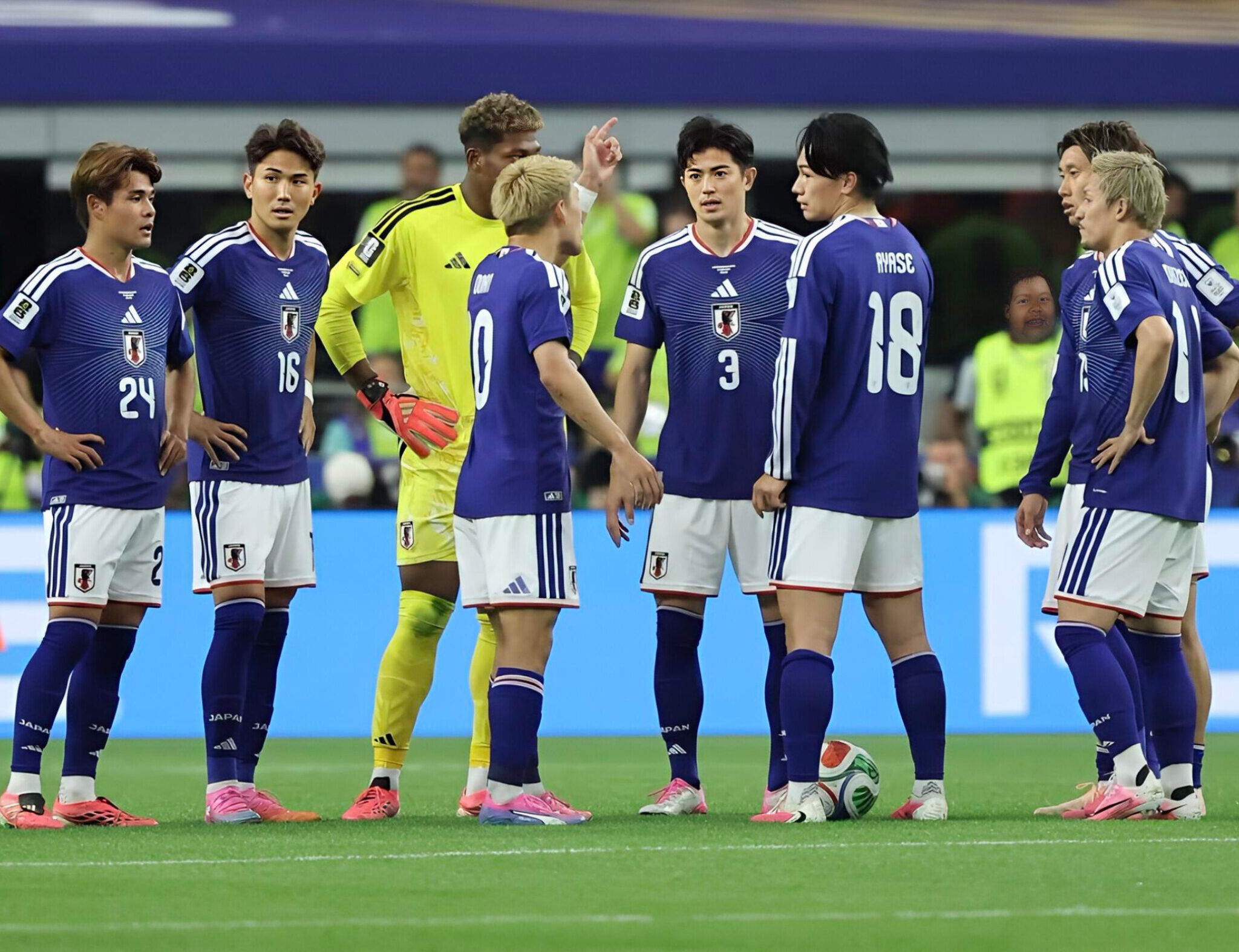
He produced three important saves against Dutch forward Donyell Malen in the first half and helped keep Japan in the contest during periods of sustained pressure. The display further strengthened his growing reputation on the international stage.
Suzuki’s development has accelerated since moving to Europe. After a loan spell with Belgian side Sint-Truiden, he secured a move to Italian Serie A club Parma, where legendary goalkeepers such as Gianluigi Buffon built their reputations.
The move is proving transformative. Having established himself as Parma’s first-choice goalkeeper, Suzuki has accumulated more than 50 appearances for the Italian club while also becoming Japan’s undisputed No. 1.
His performances have attracted attention from some of Europe’s biggest clubs. Reports in England have linked him with a move to Aston Villa as a potential successor to Argentina World Cup-winning goalkeeper Emiliano Martínez.
Born in the United States, raised in Japan, and further developed in Europe, he represents a generation of players whose identities span continents. After representing Japan at Under-15, U-16, U-17, U-18, and U-23 levels, Suzuki made his senior debut in 2022 and has since become one of the first names on Moriyasu’s team sheet.
And if Ishikawa is correct, Suzuki is doing more than just making saves. He is changing the way an entire nation thinks about goalkeepers.
RELATED STORY: When the FIFA World Cup stops being about football