

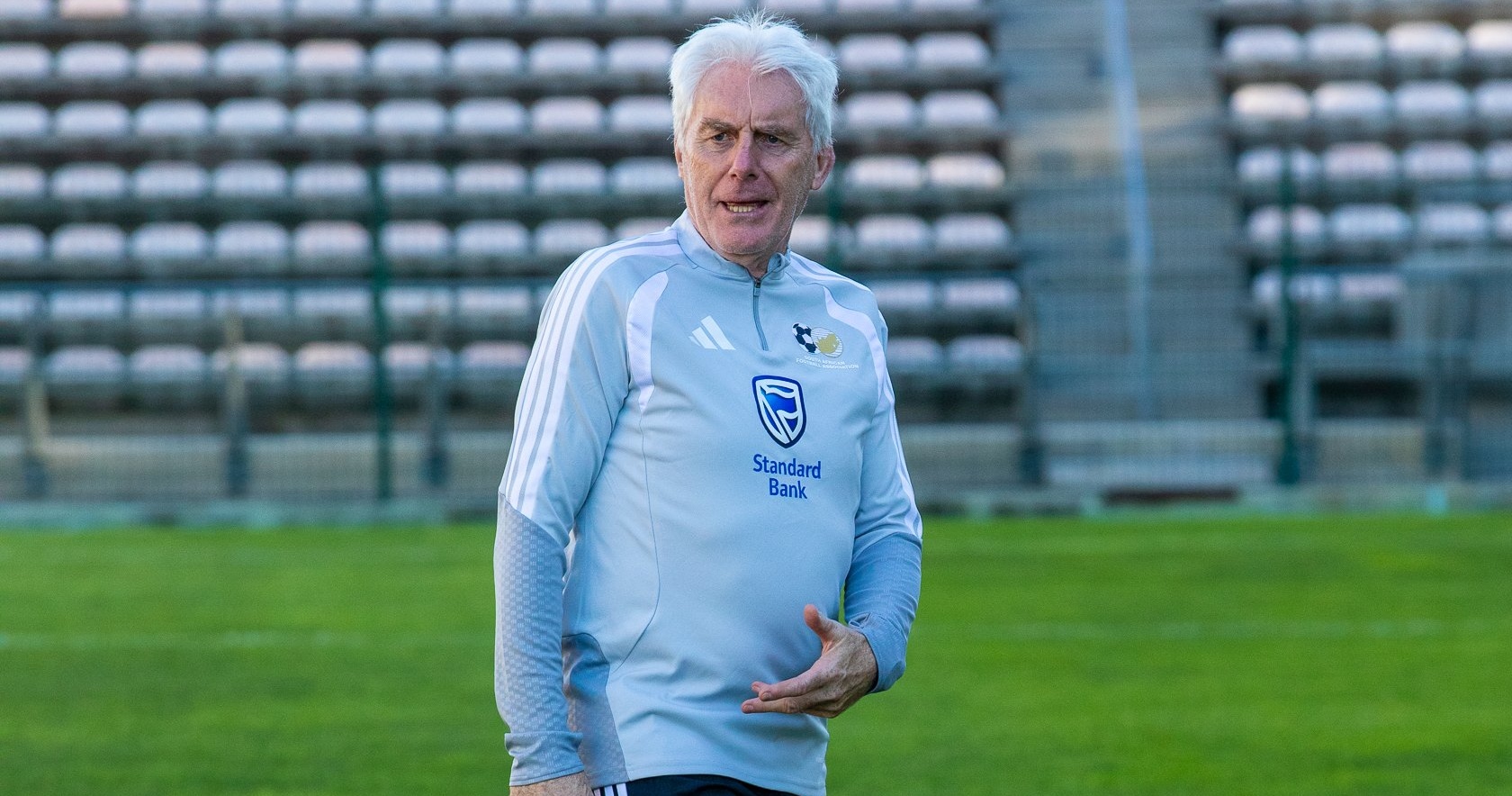
Former Kaizer Chiefs coach Ernst Middendorp has slammed Hugo Broos, accusing the Belgian of crossing the line with his recent controversial comments regarding Pitso Mosimane.
Broos, who stepped down as Bafana Bafana head coach last month, gave a controversial interview to a Belgian publication about Pitso Mosimane’s impending appointment by SAFA.
In the interview in question, Broos was quoted as seemingly disapproving of Mosimane’s ability to lead Bafana.
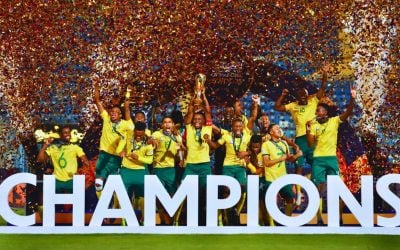
The veteran mentor led Bafana Bafana to a bronze medal at the 2023 AFCON in Ivory Coast before ensuring the national team reached the knockout stage of the 2026 FIFA World Cup for the first time.
In his interview, Broos said: “South Africa still doesn’t have a coach,” Broos told Het Nieuwsblad. “The candidate is Pitso Mosimane, a successful South African coach. But they know that if he comes in, they’ll go five years back in time. Club owners and agents calling coaches to influence squad selection—I threw all of them out. If one called, I would say bluntly: ‘I don’t talk with agents.’”
Reacting to Broos’ opinion, Middendorp hit out at the former Cameroon tactician, telling him to know when the team no longer belongs to him.
WHAT MIDDENDORP SAID ABOUT BROOS’ COMMENTS ABOUT MOSIMANE TAKING OVER AS BAFANA COACH
“Leadership means knowing when to step aside,” the ex-Cape Town Spurs mentor said on his LinkedIn account. “Broos’ argument appears to be that one of his achievements was establishing independence in selection and refusing approaches from agents and club owners. He says explicitly that when agents contacted him, his response was essentially that he did not deal with them.
“But then he makes a significant jump: from ‘this interference exists’ to ‘if Pitso comes, South Africa goes five years backwards.’ That is no longer a warning about the system. It becomes a judgement about Pitso Mosimane.
“And that is where the statement becomes problematic. We cannot know his intention unless he explains it himself. But several possibilities are reasonable –
He may genuinely be trying to protect what he believes he established during years: independence, a new generation, stability and freedom from external interference. His recent farewell comments show that he is extremely proud of the transformation and results achieved.
“There may also be an element of legacy protection. When a successful coach leaves, it is very easy to think ‘I know why this worked, and if they change the principles I established, they will destroy it.’ That is understandable psychologically, but it doesn’t necessarily make the public judgement appropriate.
“Most importantly, Broos hasn’t provided evidence that Mosimane would actually allow agents or club owners to influence his selections. The reporting presents this as Broos’ concern or allegation, not as an established fact about Mosimane.
“Should a departing coach criticise his possible successor? I say NO. Broos would have been completely entitled to say: ‘The next Bafana coach must remain independent. There will be pressure from clubs, agents and other interests. Protecting the coach’s sporting authority is essential.’
BROOS TOLD TO RESPECT MOSIMANE
“That would be a valuable message based on years of experience. But saying effectively ‘appoint Pitso, and you lose five years’ crosses a different line. It puts pressure on the successor before his first selection, first training session or first match. It also risks creating exactly the unnecessary public narrative that a new national coach does not need.
“And Mosimane is hardly an inexperienced coach who needs Broos to explain the political realities of African football. The most powerful response from Mosimane would probably be no response at all. No Twitter battle. No counterattack. No discussion about Broos’ personality. No attempt to defend his reputation.
“If asked by journalists, something as simple as: ‘I respect what Hugo Broos achieved. My responsibility, if appointed, is to take the team forward.’ And finish there. That would demonstrate something important in itself: leadership maturity.
“Broos deserves considerable respect for what he achieved. But leaving successfully also involves knowing when the team is no longer yours. You can protect principles and warn about structural problems without publicly undermining the person who may sit in your chair next.”
RELATED STORY: ‘Europe is not cause of improvement’: Middendorp fires back at Broos